Organic Farming Tips That Start Now—and the Food and Farm Stories Worth Watching
Organic Farming Tips That Start Now—and the Food and Farm Stories Worth Watching
Daily Farm Brief | November 5, 2026 | EP43
By Rick Portanova
A weed left standing today can leave you a bigger job next season. A combine can leave a record long after the grain is sold. And a familiar ingredient can spend years in the grocery aisle before regulators decide it no longer belongs there.
Today’s Daily Farm Brief connects those stories with practical organic farming tips, fertilizer pressure, grazing and wildfire management, a robot being developed to repair patchy crops, and the history behind the red barn.
Grab your coffee, Farm Nation—and hello, Truck City. Here’s the fuller story behind today’s show.
Organic Farming Tips: Don’t Grow Next Year’s Weeds
One useful place to begin next season’s weed control is with the weeds making seed right now.
Weeds that escape control can replenish the soil’s seed supply, creating work for future crops. Preventing seed production is therefore an important part of organic weed management, alongside crop rotation, cultivation, competition from healthy crops, and other practices.
Start with a manageable problem area. Identify what is growing, catch weeds while they are small, and prevent surviving plants from reaching the seed-producing stage. The right approach depends on the weed, the crop, soil conditions, and available equipment.
Cover crops can help between cash crops. A dense, well-established cover can compete with weeds while protecting the soil. But buying a bag of seed is only the beginning. The species, planting window, establishment conditions, and termination plan all need to fit the next crop.
Three practical steps to consider:
- Find the trouble spots. Note where weeds repeatedly escape control and identify the species.
- Prevent another seed crop. Address weeds before they mature, using methods appropriate to your operation.
- Plan the next ground cover. Work out what can grow between crops and how you will manage it before planting again.
Keep simple records of labor, timing, weed pressure, and results. A small trial can help you judge whether a practice fits before expanding it.
These methods can benefit conventional and organic operations alike. They do not, by themselves, make a farm certified organic. Certified producers should check seed and input choices with their certifier; local Extension staff can help match cover crops and management practices to regional conditions.
Further reading: SARE’s cultural weed management guide and Cornell’s organic weed management resources.
What Are We Eating? When Food Ingredients Go Wrong
Processing covers an enormous range of activities. Freezing vegetables and canning beans can make nutritious food more convenient. Other products contain combinations of ingredients that deserve a closer look.
Two examples from today’s show illustrate why food safety decisions sometimes change.
Artificial trans fat: Partially hydrogenated oils were once widely used in processed foods. Trans fat raises LDL, often called “bad” cholesterol, and increases heart disease risk. The FDA determined that partially hydrogenated oils were no longer generally recognized as safe for use in food. Its final compliance date was January 1, 2021.
The FDA estimates that removing this principal source of artificial trans fat could prevent thousands of heart attacks and deaths each year. That action concerned industrially produced trans fat; it was not a ban on the small amounts of naturally occurring trans fat in dairy and meat.
Brominated vegetable oil: BVO helped keep citrus flavoring evenly distributed in certain beverages. In 2024, the FDA revoked its authorization after concluding that the available evidence no longer supported its safety. The compliance deadline was August 2, 2025.
These are historical regulatory changes, not new bans announced this week. They demonstrate that familiar ingredients can face reassessment as evidence develops.
There is also evidence concerning entire eating patterns. In a small NIH study, 20 adults spent two weeks eating an ultra-processed diet and two weeks eating a minimally processed diet. Participants ate about 500 additional calories per day on the ultra-processed diet and gained roughly two pounds on average. They lost a similar amount during the minimally processed phase.
That short trial does not establish that every processed product is harmful. It does provide evidence that the tested diets affected how much people ate.
A useful grocery-cart approach is to make more room for vegetables, fruit, beans, and whole grains, while comparing added sugar, sodium, and saturated fat on packaged foods.
Sources: FDA on trans fat, FDA on BVO, and NIH’s explanation of the diet study.
Where Organic Fits
Organic describes certified production standards. It does not guarantee that a food is low in sugar or nutritionally balanced.
USDA organic standards restrict the pesticides, fertilizers, and other methods producers may use. Organic does not mean that every pesticide is prohibited. Packaged products labeled “organic” generally must contain at least 95% organic ingredients, excluding salt and water. The separate “made with organic” category has different requirements.
An organic cookie can still contain plenty of sugar. Conventional vegetables can still contribute to a nutritious diet.
For farmers, organic also represents an established market. USDA’s Economic Research Service cites an Organic Trade Association estimate of $70.1 billion in U.S. organic food retail sales in 2025. That is retail spending, not farm income or a promise that certification will produce a profitable premium.
For anyone considering a transition, the practical questions include production costs, certification requirements, weed management, available buyers, and what those buyers actually need.
Sources: USDA organic labeling standards and USDA’s organic agriculture overview.
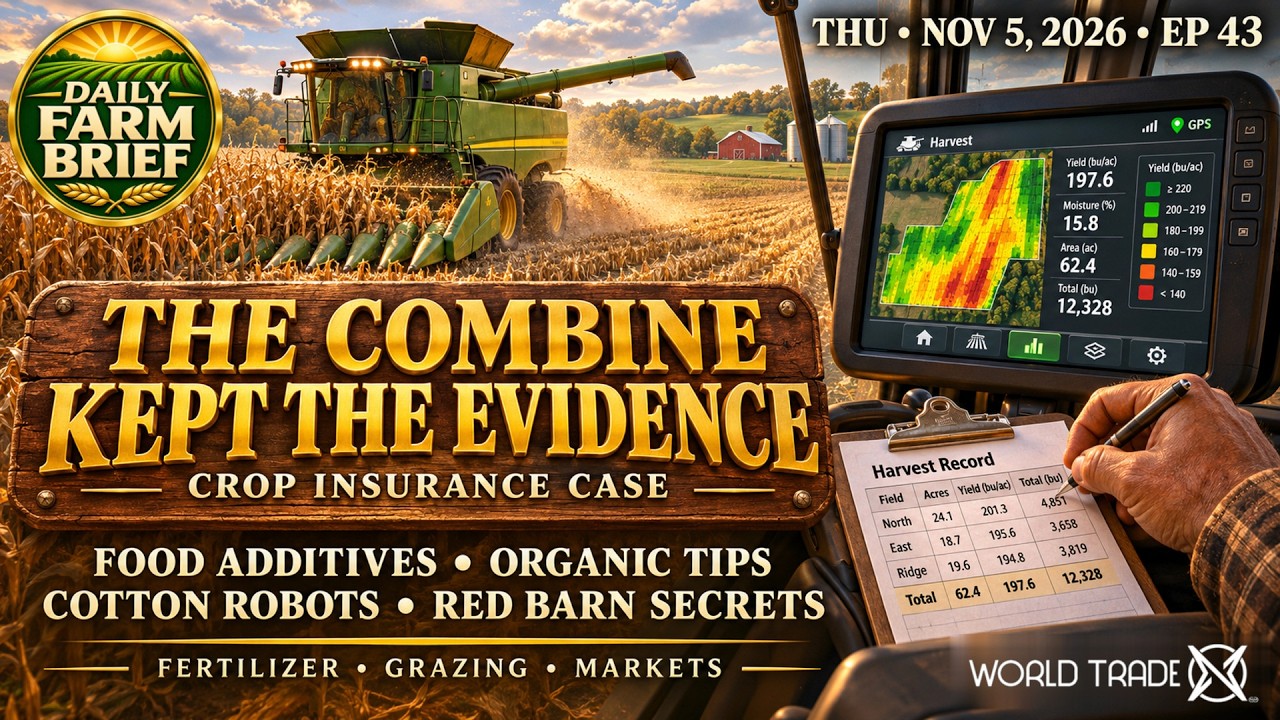
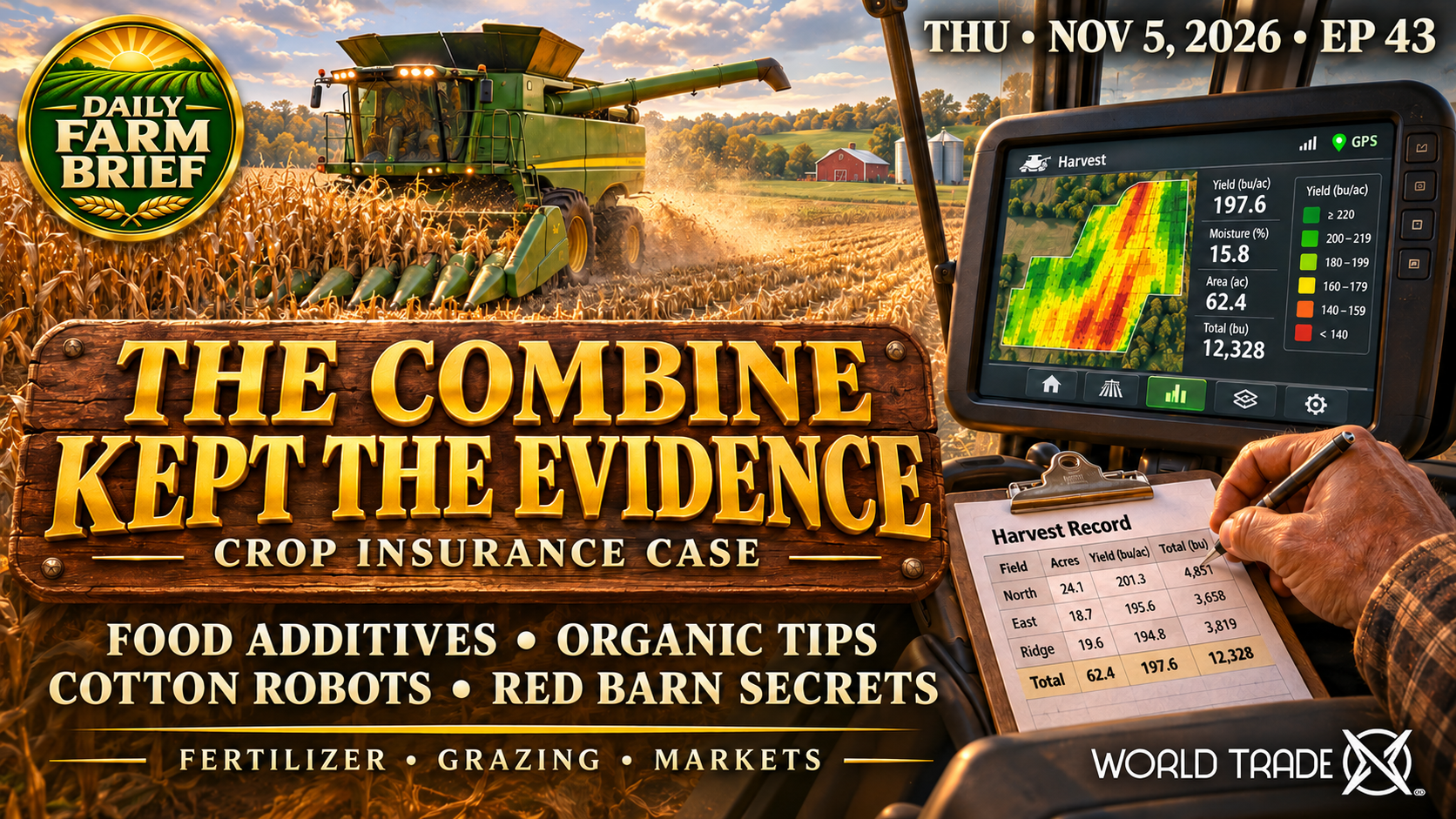
The Combine Kept the Record
A crop-insurance claim can depend heavily on reported production. In a North Dakota case, prosecutors allege that harvesting-equipment records helped reveal a different picture.
Two farmers face federal charges involving an alleged scheme to sell grain from one operation under another farmer’s name. Prosecutors say that arrangement made the first operation’s production appear smaller and helped support crop-loss claims.
According to reporting on the indictment, investigators compared reported production with information recorded by harvesting equipment.
The charges are allegations, and guilt has not been established. A discrepancy alone should not be treated as proof of fraud.
The broader point is that modern farm equipment can leave a detailed digital trail. Harvest information may remain relevant after grain moves, paperwork is submitted, and another season begins.
Sources: DTN’s report on the equipment data and Valley News Live’s coverage of the charges.
Fertilizer Pressure From Trinidad
Tighter ammonia supplies from Trinidad are adding pressure to U.S. fertilizer costs, according to Reuters reporting this week.
That connects a supply problem far from an American field with decisions farmers make about input budgets. Ammonia is an important part of nitrogen fertilizer production, so disruptions can matter beyond a single supplier.
The report provides market context rather than a prediction of what every grower will pay. Local availability, delivery timing, and supplier terms still matter.
Source: Reuters’ November 2 fertilizer report.
Grazing and Wildfire Risk
Interior is directing agencies to identify additional grazing opportunities and use well-managed grazing to help reduce wildfire risk on federal rangelands.
Grazing can reduce vegetation that contributes to fire fuel under suitable conditions. The important qualification is well-managed: stocking, timing, vegetation, and local conditions affect what grazing can accomplish.
This is not a guarantee against wildfire or an announcement that every allotment is now available. For ranchers, the next useful information will be how agencies implement the direction locally.
Source: Bureau of Land Management announcement.
High-Tech Moment: Could a Robot Fill the Gaps?
A farmer plants a cotton field, but some stretches never establish. Healthy plants remain between the empty spaces.
North Carolina State researchers are developing a system aimed at that problem. A drone helps identify gaps, and the goal is for a small robotic planter to place seed where it is needed while leaving established plants alone.
The appeal is straightforward: repair a patchy stand without treating the whole field as a failure.
The planting system remains in development. Its field performance and economics still need validation, and the project does not yet establish a guaranteed saving in seed, labor, or money.
For now, it is an interesting example of technology being designed around a specific farm problem.
Source: NC State’s research overview.
Farm Folklore: Why Did Barns Turn Red?
Before red barns became a familiar image of country life, farmers needed affordable ways to protect wooden buildings.
Historical accounts describe coatings made with ingredients such as linseed oil and iron-based pigments. Iron oxide supplied an earthy red color. Recipes and painting practices varied by place and period.
Commercial paint later offered another route, and economical red paint helped maintain the tradition.
There was no single recipe or origin story shared by every farm. Protection, available materials, price, and local habits all played a part.
A color chosen for practical reasons became part of how people picture rural America.
Further reading: Library of Congress on red barns and Ontario Barn Preservation’s historical discussion.
Your Guide to the Bottom-Screen Ticker
The show’s expanded ticker is designed to carry useful information without slowing the narration. Its coverage includes:
- Grains and crops: Corn, soybeans, Chicago and Kansas City wheat, hard red spring wheat, oats, rough rice, soybean meal, soybean oil, and cotton.
- Livestock: Live cattle, feeder cattle, and lean hogs.
- Dairy: Class III and Class IV milk, cheddar blocks and barrels, butter, dry whey, and nonfat dry milk.
- Energy and fuel: WTI and Brent crude, natural gas, national on-highway diesel, and regular and premium gasoline.
- Additional updates: Farm headlines, regional national-weather outlooks, and moon phase and illumination.
Check the date, units, contract month, and quote type when comparing figures. Futures, cash dairy prices, and national retail fuel averages measure different things. Weather outlooks also need regional context.
This companion article does not reproduce unverified prices, forecasts, or moon readings.
Daily Farm Brief brings you the farm news, practical ideas, and stories behind the work.
Find the show and our matching blogs at dailyfarmbrief.com.
Hosted by Rick Portanova.
Brought to you by World TradeX — Empowering Farmers.
See you tomorrow morning.
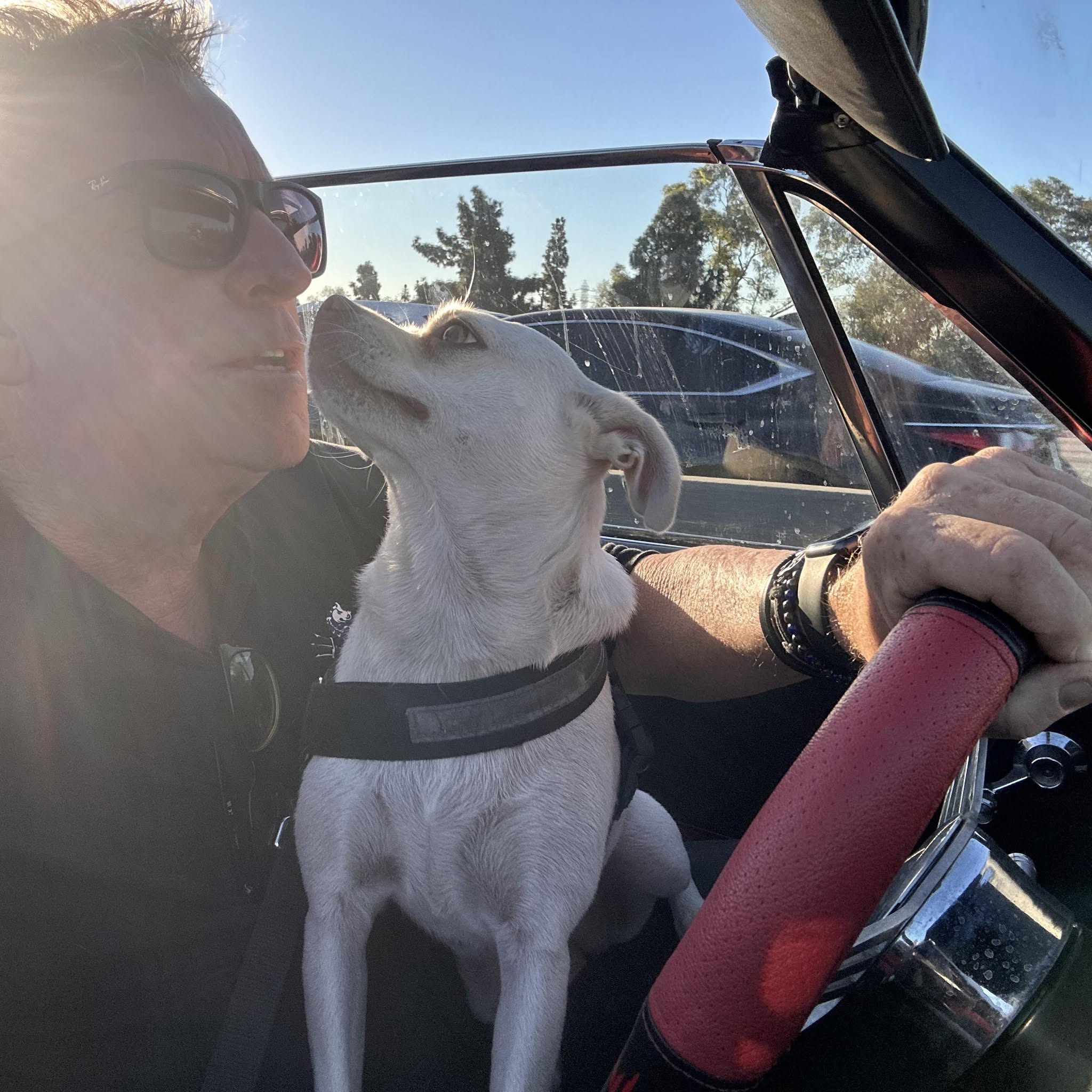
Rick is a broadcaster at heart, having built an internet radio network back in 1993. Back then they were called archived shows (mp3), the term podcast didn't exist but some people were already podcasting and he was one of them. Internet radio fizzled out fast when the Sirius satellites were launched and all the big networks inhaled all the programming. Here we are 30 years later. My how things have changed. Independent media put regular people on the same playing field and news and entertainment changed forever. His passion is being a boat captain and spending every minute with his little girl dog Mandy by his side.
His news delivery style is described as "Hit the fact, explain why anyone would care, make a joke and move on". He tears though things he believes will be worth a listener knowing and hoping he can get them to smile or chuckle. Much of the news is not "Happy news" and he realizes how hard things are for farmers and truckers, so he tries to keep it light and comical because no matter how bad things get we always need to find a way to laugh about it or we'd all go crazy.
If you want a passionate ally to dole out the news while mixing it up with funny short stories and odd side news, you will find his favorite program "Daily Farm Brief" a worthy 10 minutes of you weekday.
Preventing Irrigation Copper Theft: A Guide to Farm Security Tech