Preventing Irrigation Copper Theft: A Guide to Farm Security Tech
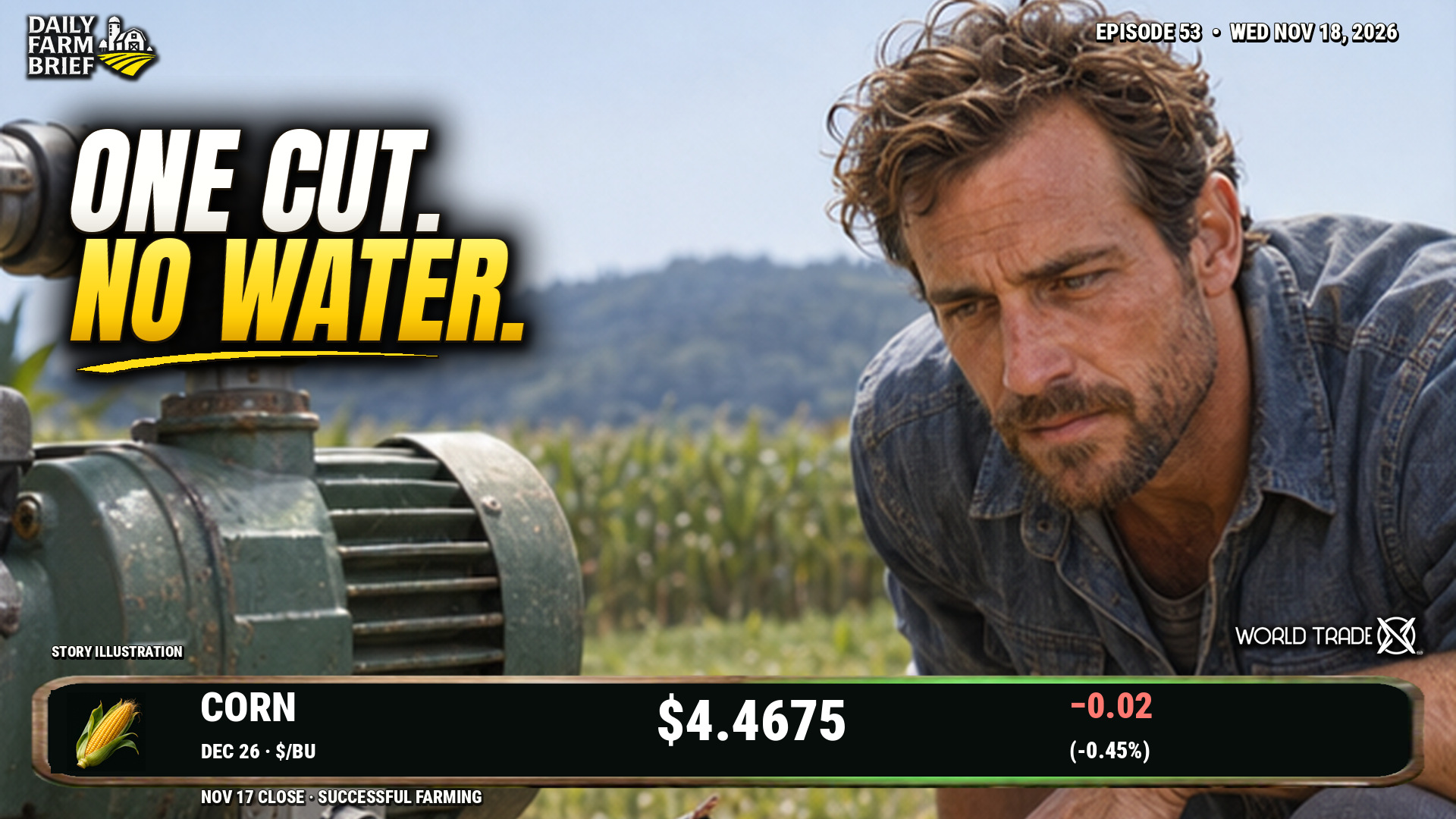
Discover how modern agricultural security technology helps farmers combat copper theft at remote irrigation pumps. Learn how automated sensors, real-time smartphone alerts, and proactive response plans protect critical water infrastructure from costly vandalism and operational downtime.
Key Takeaways
- Copper theft on irrigation systems leaves fields without water and triggers costly $6,000+ repair bills.
- Modern security tools like Farmblox COP-R-LOCK use sensors to detect opened electrical panels and cut wires instantly.
- Remote alerts give farmers real-time warnings on their phones, shifting the response from reactive to proactive.
- Automatic law enforcement notification is typically not built into standard anti-theft systems, requiring manual verification.
- Farmers should always test security setups and maintain a strict safety protocol rather than confronting thieves directly.
The Rising Cost of Copper Theft in Agriculture
For modern agricultural operations, few disruptions match the frustration of walking out to a center pivot or well site only to find a silent, disabled pump. Copper theft has evolved from a minor nuisance into a sophisticated, highly damaging criminal enterprise targeting rural infrastructure. When thieves strip the wiring from an irrigation control panel, they aren't just stealing a few dollars' worth of scrap metal; they are cutting off the lifeblood of a growing crop during critical seasonal windows.
The financial impact stretches far beyond the replacement cost of the stolen metal itself. Growers frequently face urgent electrician bills, fried motor components, and days of delayed irrigation that can permanently stunt crop yields. In recent years, incidents across major agricultural regions have highlighted the physical dangers as well. Farmers who attempt to investigate suspicious activity at remote pumps after dark put themselves directly in harm's way, sometimes resulting in violent confrontations or severe injuries.
Because traditional fencing and simple padlocks offer minimal deterrence against determined thieves with battery-powered angle grinders, the industry has had to look toward smarter, technology-driven defense strategies. Protecting remote assets requires shifting from passive physical barriers to active, real-time electronic monitoring that can bridge the vast physical distances common in rural farming operations.
How Alarm Systems Protect Remote Irrigation Pumps
Modern farm security technology leverages cellular networks and smart sensors to keep watch over vulnerable assets when the farmer is miles away. Systems designed specifically for agricultural environments—such as the Farmblox COP-R-LOCK setup—focus on detecting the very first moment of unauthorized interference rather than waiting for the damage to be completely finished.
The mechanism relies on integrated sensors wired into critical control boxes and electrical panels. The moment a thief attempts to pry open a locked enclosure or snips a sensor wire to disable the equipment, the system reacts instantaneously. On-site deterrents activate immediately, blasting high-decibel sirens and flashing bright warning lights that signal to any intruder that they have been compromised.
Simultaneously, the hardware transmits an electronic alert across cellular networks directly to the smartphone of the farm operator or designated manager. This capability transforms an isolated well site into an extension of the farm office. Instead of discovering a dry field hours or days later during a routine check, the grower receives an immediate notification detailing which specific pump or pivot is experiencing unauthorized activity.
Building an Effective Farm Security Response Plan
Installing high-tech hardware is only half the battle; the true effectiveness of any farm security system depends entirely on the response plan established before the alarm ever sounds. Having a phone buzz in the middle of the night is valuable only if the recipient knows precisely what steps to take next.
First and foremost, growers must understand the operational limitations of their chosen security suite. Most agricultural monitoring systems do not maintain direct feeds to local sheriff departments or state police dispatchers. The notification goes to the farmer, meaning the responsibility for verifying the threat and contacting law enforcement rests squarely on the owner's shoulders.
When evaluating or setting up an alarm network, farmers should walk through several critical operational questions:
- Who receives the emergency notification message if the primary operator is asleep or out of cell range?
- What backup power sources are in place if the main electrical line is severed before the alert transmits?
- How quickly can local law enforcement reach a remote field location compared to your own travel time?
- Are cameras integrated to provide visual confirmation of intruders before dispatching help?
Above all, personal safety must override property recovery. If an alert confirms a break-in or theft in progress, jumping into a truck to confront armed thieves is a dangerous gamble. The correct protocol involves gathering remote camera data, notifying local authorities immediately, and staying clear of the site until law enforcement secures the area.
Conclusion and Next Steps
Protecting rural infrastructure requires a blend of vigilance, modern technology, and realistic safety planning. As agricultural input costs rise, safeguarding critical systems like irrigation pumps ensures that your operation remains resilient against opportunistic crime. To hear more in-depth discussions on agricultural trends, daily markets, and practical farm management tips, Listen to the full episode. Stay connected with the latest updates by subscribing to the podcast and sharing episodes with fellow producers in Truck City and Farm Nation.
Frequently Asked Questions
How do copper theft prevention systems detect tampering at remote irrigation pumps?
Systems like Copper-Lock use electronic sensors attached to electrical panels and wiring. If a panel is forced open or a sensor wire is cut, it instantly triggers on-site sirens, flashing lights, and sends a remote notification to the farmer's smartphone.
Do irrigation security alarms automatically call the police when triggered?
No. Most commercially available agricultural security systems do not automatically contact law enforcement. The alert goes directly to designated contacts who must verify the threat and contact local authorities themselves.
What is the average cost of damage caused by copper theft at a well site?
Damages often exceed physical copper resale values significantly. Farmers frequently face thousands of dollars in electrical repairs, rewiring costs, and potential crop stress due to delayed irrigation schedules.
What safety precautions should a farmer take if they receive a security alert?
If an alert indicates tampering or a potential theft in progress, farmers should never confront suspects alone. Instead, clear the area, observe safely if possible, and immediately notify local law enforcement to handle the situation.

Rick is a broadcaster at heart, having built an internet radio network back in 1993. Back then they were called archived shows (mp3), the term podcast didn't exist but some people were already podcasting and he was one of them. Internet radio fizzled out fast when the Sirius satellites were launched and all the big networks inhaled all the programming. Here we are 30 years later. My how things have changed. Independent media put regular people on the same playing field and news and entertainment changed forever. His passion is being a boat captain and spending every minute with his little girl dog Mandy by his side.
His news delivery style is described as "Hit the fact, explain why anyone would care, make a joke and move on". He tears though things he believes will be worth a listener knowing and hoping he can get them to smile or chuckle. Much of the news is not "Happy news" and he realizes how hard things are for farmers and truckers, so he tries to keep it light and comical because no matter how bad things get we always need to find a way to laugh about it or we'd all go crazy.
If you want a passionate ally to dole out the news while mixing it up with funny short stories and odd side news, you will find his favorite program "Daily Farm Brief" a worthy 10 minutes of you weekday.

On-Farm Nitrogen Generation: Can Machines Like Green Lightning Cut Fertilizer Costs?