Corn Rally, Farm Bill, Ag Tech & Farm-Trucking History | Daily Farm Brief Sept. 18


Corn and grain markets show some life, the 2026 Farm Bill remains in focus, North Dakota farmers face labor challenges, and Husker Harvest Days highlights the newest ag technology. We also look at no-till, cover crops, winter wheat, agricultural history, trucking, NASA, T. rex weather, the Farmer’s Almanac, today’s market watch, Farm Fact of the Day, and our Farmer and Trucker jokes.
Sponsored by World TradeX
SPEAKER_00
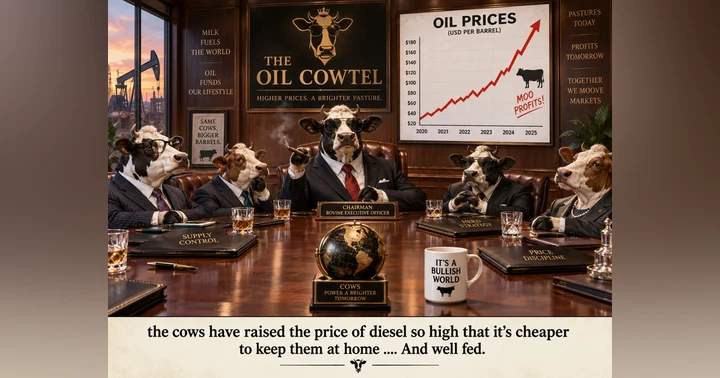
Good morning, Farm Nation, and good afternoon to Truck City. Today, September 18th, 2026, this is your daily farm brief from Farm Tales Unplugged. We'd like to thank our sponsor, World Trade X, the future of food, for making this podcast possible. Today we've got movement in the grain markets, the farm bill, farm labor, new technology coming out of Husker Harvest Days, a little no-till and cover crop talk, winter wheat, a strange piece of dinosaur science, NASA, a couple of things you definitely don't hear every day, and of course, our farmer and trucker jokes. And don't forget our daily visit to the old farmer's almanac. Farm news! Let's start with the grain markets because there's finally been a little life showing up on the board. Corn and other major grains have been getting support from a combination of global demand, crop expectations, and continued attention on trade. Farmers are still watching China closely because even a small shift in export demand can have an outsized effect on sentiment. That doesn't mean anybody should start ordering a second combine just yet, but after the kind of margins farmers have been dealing with, a little green on the screen is always a welcome scene. Meanwhile, Washington continues working through issues connected to the 2026 Farm Bill. Farmers are watching crop insurance, commodity programs, conservation funding, and nutrition programs because what eventually comes out of Congress will affect virtually every part of agriculture. Up in North Dakota, labor continues to be one of the biggest practical challenges on farms. It isn't enough to own the equipment anymore. You need somebody who knows how to run a half-million dollar machine without turning it into modern art. And at Husker Harvest Days, agricultural technology was once again a major theme. We're seeing more autonomous equipment, AI-assisted crop monitoring, precision application systems, and tools designed to help farmers squeeze more production out of every acre while using fewer inputs. That's really where agriculture appears to be headed. Bigger machines, better data, and fewer wasted passes across the field. And let's talk about soil. No-tilling cover crops continue to expand because farmers are looking for ways to protect soil structure, retain moisture, and reduce erosion. Cover crops can also keep living roots in the soil longer during the year, which can improve soil biology and nutrient cycling. And this is the time of year when winter wheat starts entering the conversation in many parts of the country. Planting dates vary by region, obviously, but growers are already thinking about seedbed conditions, moisture, and getting that crop established before colder weather arrives. Quick market watch. Corn has shown some strength. Soybeans remain highly sensitive to export demand and South American crop expectations. Wheat continues to react to global production and weather, and diesel remains one of those expenses that farmers and truckers would very much like to stop talking about. But unfortunately, it keeps giving us reasons to talk about it. The combination of fuel, labor, equipment, and interest costs means profitability can disappear awfully quickly, even when commodity prices look respectable. Now, on this day in history. On this date, we tip our hat to Maytag! How'd you chipmunks get in here? Turn his microphone off. Yeah, that's more like it. On this date in history, we can tip our hat to Maytag, a name that became synonymous with American farm country manufacturing and appliances. And on September 18th, it also takes us back to 1938, when a major trucker strike in New York City demonstrated just how quickly commerce can grind to a halt when the people move in the freight stop moving. Almost 90 years later, the lesson hasn't changed very much. You can grow all the food you want, but somebody still has to haul it. During that strike, in an amazing moment of humanity, the truckers agreed to go back to work temporarily to prepare for an impending hurricane. That's our trucker family. And now on You Don't Hear That Every Day, here's one that sounds made up, but it isn't. Scientists at Southern Illinois University Carbondale are working on a system that can take waste from plastic bottles and through a biological conversion process turn some of that material into edible ingredients. Researchers then use those ingredients to make a 3D printed cookie. Yes, a cookie. Made partly from material that started life as a plastic bottle. The project is called U-Bites, and researchers say the bigger idea isn't just making bizarre cookies. They're exploring whether this kind of technology could eventually produce food in places where conventional food supplies are difficult. Things like long sea voyages, submarines, disaster zones, and other extreme environments. So, someday somebody may look at an empty water bottle and say, hey, don't throw that away. I was gonna eat that. Agriculture meets space. NASA continues developing technology that could eventually influence agriculture on Earth. Satellite imaging already helps monitor drought, crop health, soil moisture, and weather patterns. And one of the fascinating pieces of astronomy history involves early telescopes that helped humans look farther into space than ever before. Today, we're using satellites hundreds of miles above the Earth to tell a farmer whether one corner of his field needs more water. Galileo would have probably been very impressed. He'd probably also ask, what's the monthly subscription cost? And from the farmer's almanac corner, as we move deeper into September, shorter days and cooler nights begin changing the rhythm of the farm. This is the time when generations of farmers traditionally started watching frost patterns, animal behavior, and even the thickness of seed coats and husks for clues about the winter ahead. Modern meteorology is obviously a little more sophisticated, but there's something comforting about knowing that farmers were studying the sky and the seasons long before anybody had a weather app. As we wind down, here's the farmer joke of the day. A farmer tells his neighbor, I bought a new smart tractor. Neighbor says, What makes it smart? Farmer says, Every time I climb in it, it tells me I can't afford it. I like that. And now our daily trucker joke. Trucker pulls into a truck stop and says, I need a strong coffee, strong enough to keep me awake for 600 miles. Waitress says, Honey, with diesel prices like these, you're not gonna go 600 miles anyway. Well, that's today's FarmTales Unplugged daily farm brief. Whether you're planting it, harvesting it, hauling it, fixing it, or trying to figure out how to pay for it, we're glad you're here. FarmTales Unplugged is brought to you by World TradeX, the future of food. And remember, the future of food starts with the people who grow it and depends on the people who move it. Music courtesy of FMA, freemusicarchive.org. Credits to Philip Ravenau, JMHBM, Vlad Anikov, and Sinclaps.