On-Farm Nitrogen Generation: Can Machines Like Green Lightning Cut Fertilizer Costs?
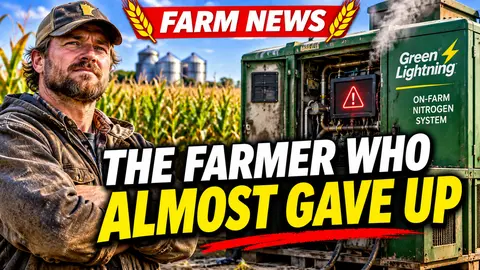
On-farm nitrogen generation allows producers to manufacture their own fertility inputs using air, water, and electricity right on their property. While early experimental machines like the Green Lightning system face significant equipment reliability hurdles and inconsistent yield results, this emerging technology offers a potential path to bypass high conventional fertilizer costs and reduce reliance on volatile global supply chains.
Key Takeaways
- On-farm nitrogen generators use electricity, air, and water to synthesize usable fertilizer locally.
- Early adopters like Minnesota farmer Carson Kahler report experimental yield success despite persistent equipment breakdowns.
- Initial field tests show variable consistency across different soil types and operational conditions.
- Technology reliability and high initial capital costs remain major barriers to widespread commercial adoption.
- Producing nitrogen on-site could eventually insulate grain growers from traditional fertilizer market price spikes.
The Promise and Reality of Decentralized Fertilizer Production
For decades, commercial row-crop agriculture has relied on a centralized industrial model for nitrogen fertilizer production. Synthetic nitrogen is manufactured through energy-intensive processes like the Haber-Bosch method, shipped via rail and barge, and stored in bulk local distribution terminals before finally reaching the farm gate. This leaves grain producers completely vulnerable to global energy market fluctuations, geopolitical supply chain disruptions, and sudden price spikes that can instantly erase operating margins.
Enter decentralized on-farm nitrogen generation. The basic concept sounds almost too good to be true: capture atmospheric nitrogen, combine it with water and electricity, and synthesize usable fertilizer directly on-site. For independent producers looking to control their input costs, this holy grail of self-reliance has sparked intense curiosity. However, moving from theoretical chemistry to heavy-duty agricultural implementation is rarely straightforward.
How Electrochemical Generators Work
Most emerging on-farm nitrogen systems utilize electrochemical or plasma-based processes to break down abundant atmospheric gases and convert them into water-soluble forms of nitrogen. These systems typically require a dedicated source of electrical power—frequently tied into rural three-phase power or backed by renewable energy installations—along with a clean water supply.
When operating correctly, the unit draws in air, strips out unwanted components, and outputs a liquid nitrogen solution that can either be injected directly into irrigation water or transferred to conventional nurse tanks for side-dressing. The elimination of long-distance freight, distributor markups, and massive storage infrastructure represents a massive economic efficiency.
Field Testing the Green Lightning System
To understand how this technology performs in real-world conditions, consider the experience of Minnesota farmer Carson Kahler. Kahler integrated an on-site nitrogen generation machine known as the Green Lightning system into his operation to test whether he could supplement or partially replace his conventional fertilizer program.
The initial trial phase, however, was far from smooth sailing. According to field reports, the equipment struggled with durability issues, experiencing frequent mechanical and electrical breakdowns right in the middle of a demanding operational window. For many producers, persistent downtime is an immediate dealbreaker. A machine that requires constant babysitting or emergency service calls during the busiest weeks of the season quickly becomes a liability rather than an asset.
Yet, despite the ongoing mechanical headaches, harvest results delivered a massive plot twist. When the test plots were combined, corn grown using a reduced conventional fertilizer program supplemented by the homemade nitrogen actually outperformed crops managed under traditional fertility regimens. Yield monitors showed that the on-site generated nitrogen maintained, and in some cases exceeded, standard yield expectations while lowering total per-acre chemical input costs.
Balancing Breakdowns with Bottom-Line Results
This dynamic presents producers with a classic adoption dilemma: do you throw in the towel on a temperamental prototype, or do you tolerate the maintenance headaches because the agronomic and financial payoff at harvest makes the frustration worthwhile?
For early adopters willing to act as beta testers, the calculus often depends on their mechanical aptitude, access to technical support, and tolerance for risk. A machine that breaks down repeatedly is frustrating, but if the resulting yield bump translates into hundreds or thousands of dollars in saved input costs, the financial incentive to keep tinkering remains high.
Economic and Agronomic Hurdles Ahead
Before on-farm nitrogen generators become a common sight across the Midwest and Great Plains, several major obstacles must be cleared by equipment manufacturers and agricultural engineers alike.
- Machine Reliability: Units must be engineered to withstand harsh farm environments, dust, vibration, and continuous heavy-load cycles without catastrophic failure.
- Energy Efficiency: Because these systems rely heavily on electricity, the cost-per-pound of manufactured nitrogen is directly tied to local electrical utility rates or the efficiency of on-farm solar and wind installations.
- Consistency Across Soil Types: Early field trials show variable performance, meaning agronomic recommendations must be fine-tuned for different soil CEC levels, organic matter percentages, and moisture profiles.
- Capital Investment: Initial equipment purchase costs must come down significantly or demonstrate rapid return on investment through guaranteed fertilizer savings to attract mainstream commercial adoption.
The Future of Independent Farm Inputs
The experiment with on-farm nitrogen generation highlights a broader shift taking place across rural America. Producers are increasingly looking for ways to decouple their profitability from centralized supply chains. Whether through precision application, biological soil amendments, or on-site chemical manufacturing, the goal is greater operational resilience.
While machines like Green Lightning are clearly still in their growing pains phase, the fact that a farmer can generate competitive yields using air, water, and electricity points toward a fascinating future. For a deeper dive into modern agronomic surprises, shifting crop disease pressures, and seasonal farm management strategies, you can Listen to the full episode of the Daily Farm Brief to hear Rick Portanova break down the latest developments affecting Farm Nation and Truck City.
Frequently Asked Questions
What is an on-farm nitrogen generator?
An on-farm nitrogen generator is an industrial or semi-portable machine that uses air, water, and electricity to synthesize usable liquid nitrogen fertilizer directly on a farm property, bypassing traditional commercial manufacturing and distribution channels.
How does the Green Lightning system work?
The Green Lightning system extracts nitrogen from atmospheric air and combines it with water using electrical energy processes to create a liquid fertilizer solution that can be applied directly to growing crops.
Are on-farm nitrogen generators cost-effective yet?
While early field trials show promise in reducing conventional fertilizer costs and maintaining strong yields, frequent equipment breakdowns and high initial capital costs mean the technology is still largely in an experimental, early-adopter phase.
What are the main challenges of making nitrogen on the farm?
The primary challenges include equipment unreliability and mechanical breakdowns during critical operating windows, high electrical energy demands, variable yield consistency across different soil types, and significant upfront equipment expenses.

Rick is a broadcaster at heart, having built an internet radio network back in 1993. Back then they were called archived shows (mp3), the term podcast didn't exist but some people were already podcasting and he was one of them. Internet radio fizzled out fast when the Sirius satellites were launched and all the big networks inhaled all the programming. Here we are 30 years later. My how things have changed. Independent media put regular people on the same playing field and news and entertainment changed forever. His passion is being a boat captain and spending every minute with his little girl dog Mandy by his side.
His news delivery style is described as "Hit the fact, explain why anyone would care, make a joke and move on". He tears though things he believes will be worth a listener knowing and hoping he can get them to smile or chuckle. Much of the news is not "Happy news" and he realizes how hard things are for farmers and truckers, so he tries to keep it light and comical because no matter how bad things get we always need to find a way to laugh about it or we'd all go crazy.
If you want a passionate ally to dole out the news while mixing it up with funny short stories and odd side news, you will find his favorite program "Daily Farm Brief" a worthy 10 minutes of you weekday.
Preventing Irrigation Copper Theft: A Guide to Farm Security Tech