Autonomous Farm Drones vs. Traditional Crop Dusters: The Future of Acreage Coverage
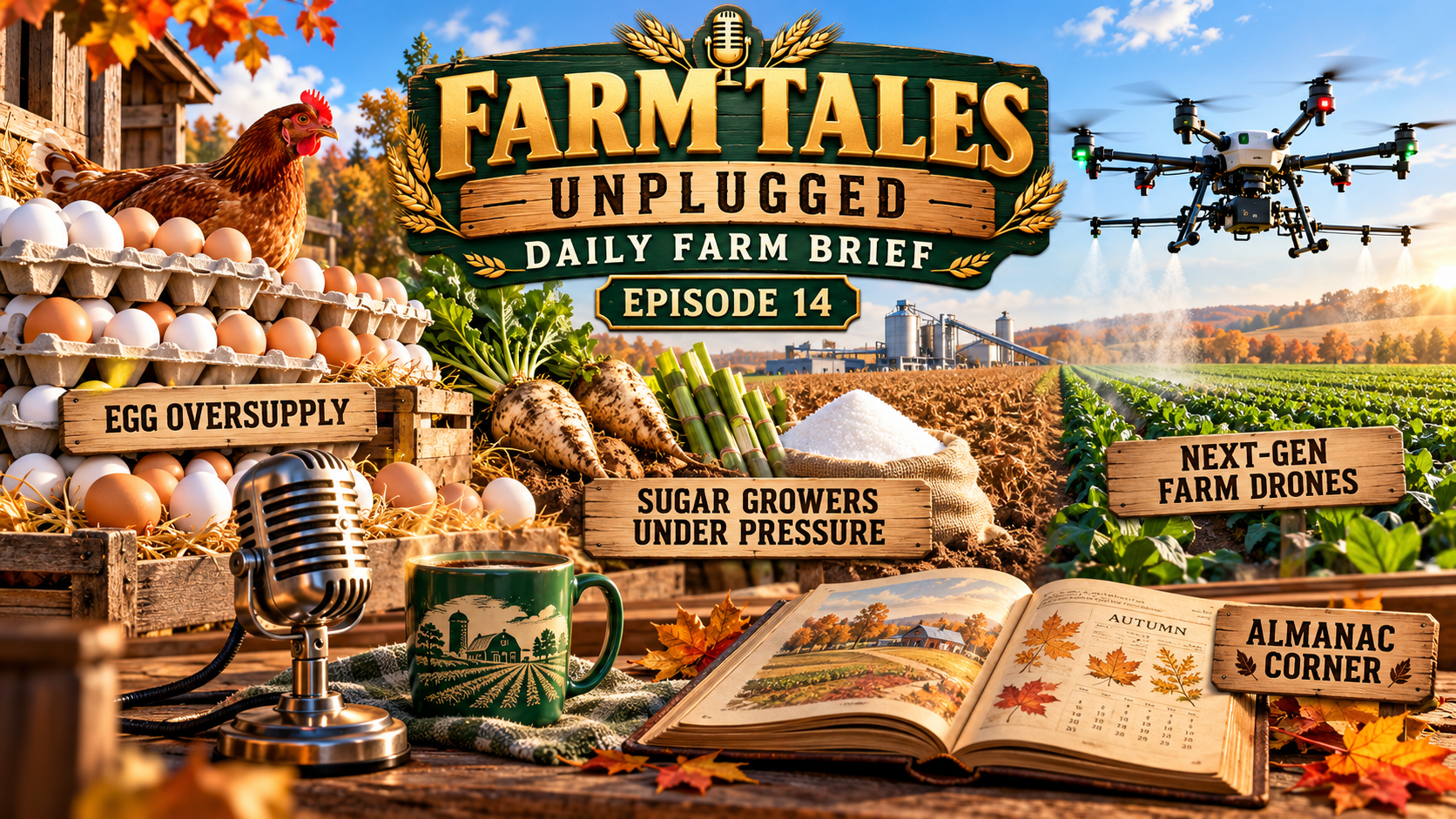
Autonomous agricultural drones are fundamentally reshaping field management by combining heavy-duty liquid payloads, high-speed canopy imaging, and automated ground stations. These advanced machines can cover upwards of a thousand acres daily while eliminating the need for constant human supervision during tank refills and battery swaps, signaling a major shift away from traditional manned aviation.
Key Takeaways
- Modern agricultural drones can carry up to 40 gallons of product and cover 95 to 110 acres per hour.
- Fully autonomous ground stations automate battery swapping and chemical refilling without manual labor.
- Advanced field scouting systems quickly identify weeds, standalone counts, and obstacles at high speeds.
- Automated farm aviation reduces reliance on low-flying manned airplanes and minimizes downtime.
The Rise of Heavy-Duty Farming Drones
For decades, agricultural aviation relied on a familiar, albeit risky, routine: a pilot in a fixed-wing airplane or helicopter buzzing dangerously close to the crop canopy, navigating power lines, wind shear, and fatigue. While effective for massive, wide-open swaths of land, traditional crop dusting comes with high operational costs, significant fuel consumption, and scheduling headaches when pilot availability is tight.
Today, the technological tide is turning toward uncrewed aerial systems. But we are no longer talking about hobbyist toys or lightweight quadcopters that can only hover over a backyard garden. The latest generation of agricultural drones is built for industrial-scale farming. These heavy-duty platforms are engineered to handle commercial workloads efficiently, carrying impressive payloads and covering substantial acreage in a single weather window.
Payload Capacity and Speed
One of the primary historical drawbacks of using drones for large-scale crop protection was their limited payload capacity. Early models required constant stopping to reload chemicals or swap out depleted batteries, making them impractical for anything larger than small specialty plots.
That limitation has largely evaporated. Newer models entering the market now routinely carry fluid payloads of up to 40 gallons. When paired with high-speed application systems, these drones achieve impressive operational metrics. Top-tier commercial units are rated to cover roughly 95 to 110 acres per hour. Some complex systems and multi-drone fleets deployed by forward-thinking operations claim the capacity to treat over a thousand acres in a single day.
The Power of Fully Autonomous Ground Stations
A drone capable of carrying 40 gallons is only useful if it can keep flying. The true bottleneck in modern drone operations has shifted from the air to the ground: who is going to refill the tank and change the battery every fifteen minutes?
To solve this, ag-tech companies have engineered automated ground support stations. These mechanical hubs do the heavy lifting so farmers don't have to stand in the field waiting for a device to land.
- Automated Refilling: The drone returns to its designated pad, where integrated systems pump fresh liquid product directly into its onboard tanks.
- Hot-Swapping Batteries: Robotic arms or mechanical docking mechanisms remove exhausted batteries and insert fully charged ones in minutes.
- Autonomous Resumption: Once refilled and powered up, the drone launches automatically to pick up right where it left off in the flight grid.
This level of automation transforms the drone from a piece of equipment that requires a dedicated operator into a set-it-and-forget-it asset. While the drone cycles through its routine on the perimeter of a corn or soybean field, the farmer can manage one of the dozens of other critical operational tasks demanded by a modern agricultural enterprise.
Beyond Spraying: Advanced Field Scouting and Data
Spraying liquids, fertilizers, and desiccants is only half the battle. Modern agricultural drones double as high-speed data collection hubs. Equipped with multispectral cameras and real-time onboard decision-making software, these units can survey a field at high speeds while capturing granular details about crop health.
As they sweep across the acreage, advanced scouting systems photograph individual plants, accurately mapping weed pressure, identifying rock obstructions, and calculating precise stand counts. This immediate data loop allows agronomists and growers to apply inputs only where they are desperately needed, reducing chemical waste and optimizing input spending.
Agricultural aviation used to mean hiring an outside pilot and hoping weather conditions favored their arrival schedule. Increasingly, the future of farm aviation looks like a sleek machine quietly rolling out of a trailer on the farm's own property, executing a precise, autonomous flight plan, and returning home without requiring a single human hand to touch the controls.
Conclusion: Embracing Autonomous Efficiency
As farm margins tighten and labor shortages persist, adopting autonomous technologies like high-capacity agricultural drones offers a viable path toward greater operational efficiency. While traditional aircraft will always have a place in vast, uninterrupted commercial plains, autonomous drones give independent growers unprecedented control over their timing, precision, and labor management.
To hear more about shifting market trends, agricultural innovations, and practical rural advice, be sure to check out Listen to the full episode of the Daily Farm Brief. Stay ahead of the curve and discover how modern agriculture is changing every single day.
Frequently Asked Questions
How many acres can modern agricultural drones cover in an hour?
The newest high-capacity commercial agricultural drones are rated to cover approximately 95 to 110 acres per hour, depending on terrain, flying speed, and application rates.
Do agricultural drones require a human operator to constantly change batteries and refill tanks?
Not necessarily. Many modern setups utilize automated ground stations that can autonomously refill chemical spray tanks and swap out depleted batteries, allowing the drone to return to work with minimal human intervention.
What is the maximum liquid payload capacity for advanced farm drones?
State-of-the-art agricultural drones utilized in commercial farming operations can carry up to 40 gallons of liquid product per flight.
Can agricultural drones do more than just spray crops?
Yes. Aside from spraying fertilizers and crop protection products, modern drones act as high-speed scouting tools. They use onboard cameras to photograph plants, calculate stand counts, detect weed patches, and identify field obstacles like rocks.

Rick is a broadcaster at heart, having built an internet radio network back in 1993. Back then they were called archived shows (mp3), the term podcast didn't exist but some people were already podcasting and he was one of them. Internet radio fizzled out fast when the Sirius satellites were launched and all the big networks inhaled all the programming. Here we are 30 years later. My how things have changed. Independent media put regular people on the same playing field and news and entertainment changed forever. His passion is being a boat captain and spending every minute with his little girl dog Mandy by his side.
His news delivery style is described as "Hit the fact, explain why anyone would care, make a joke and move on". He tears though things he believes will be worth a listener knowing and hoping he can get them to smile or chuckle. Much of the news is not "Happy news" and he realizes how hard things are for farmers and truckers, so he tries to keep it light and comical because no matter how bad things get we always need to find a way to laugh about it or we'd all go crazy.
If you want a passionate ally to dole out the news while mixing it up with funny short stories and odd side news, you will find his favorite program "Daily Farm Brief" a worthy 10 minutes of you weekday. He isn't very pc and he doesn't do boardrooms, he is difficult and overly direct. This makes his life 10x more difficult, but he is right at home behind the mic.

Military Tech for Farming: How Plant Armor Tripled Strawberry Yields