This Week in American Agriculture: Markets, Diesel, AI, Drought & the Farm Bill
Summary: From grain markets and diesel costs to drought, AI farming technology, trucking and the Farm Bill, here’s a look at the biggest agriculture stories from September 13–18, 2026—plus a few stories you definitely don’t hear every day.
A Week in American Agriculture: Markets, Diesel, AI, Drought—and a Few Things You Probably Didn’t Expect
Daily Farm Brief Weekly Recap | September 13–18, 2026
If there was one lesson from this week in American agriculture, it was this: farming has become about a whole lot more than what happens inside the fence line.
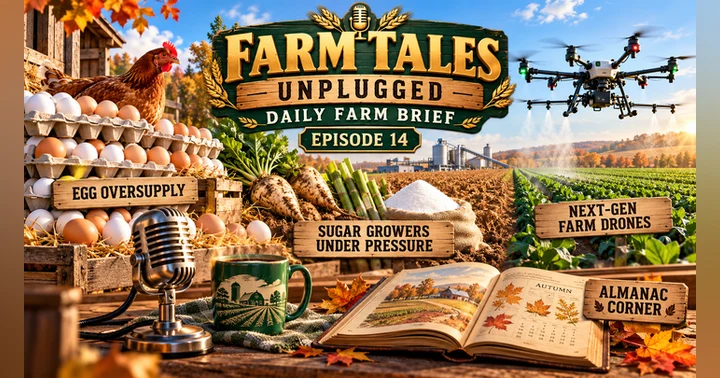
During six episodes of the Farm Tales Unplugged Daily Farm Brief, we followed corn and soybean markets, Chinese demand for U.S. crops, rising transportation and diesel costs, drought conditions, the 2026 Farm Bill, artificial intelligence, autonomous farm equipment and the changing economics of getting food from the farm to the consumer.
And because agriculture is rarely boring, we also found time for giant beetles, ostriches, an unusually early popcorn harvest, a cryptocurrency farm hiding in the mountains and even a cookie with a connection to recycled plastic.
Welcome to a week in modern American agriculture.
Harvest Season Means Watching More Than the Weather
September is the time of year when combines begin rolling across much of farm country, but farmers aren’t simply watching yield monitors.
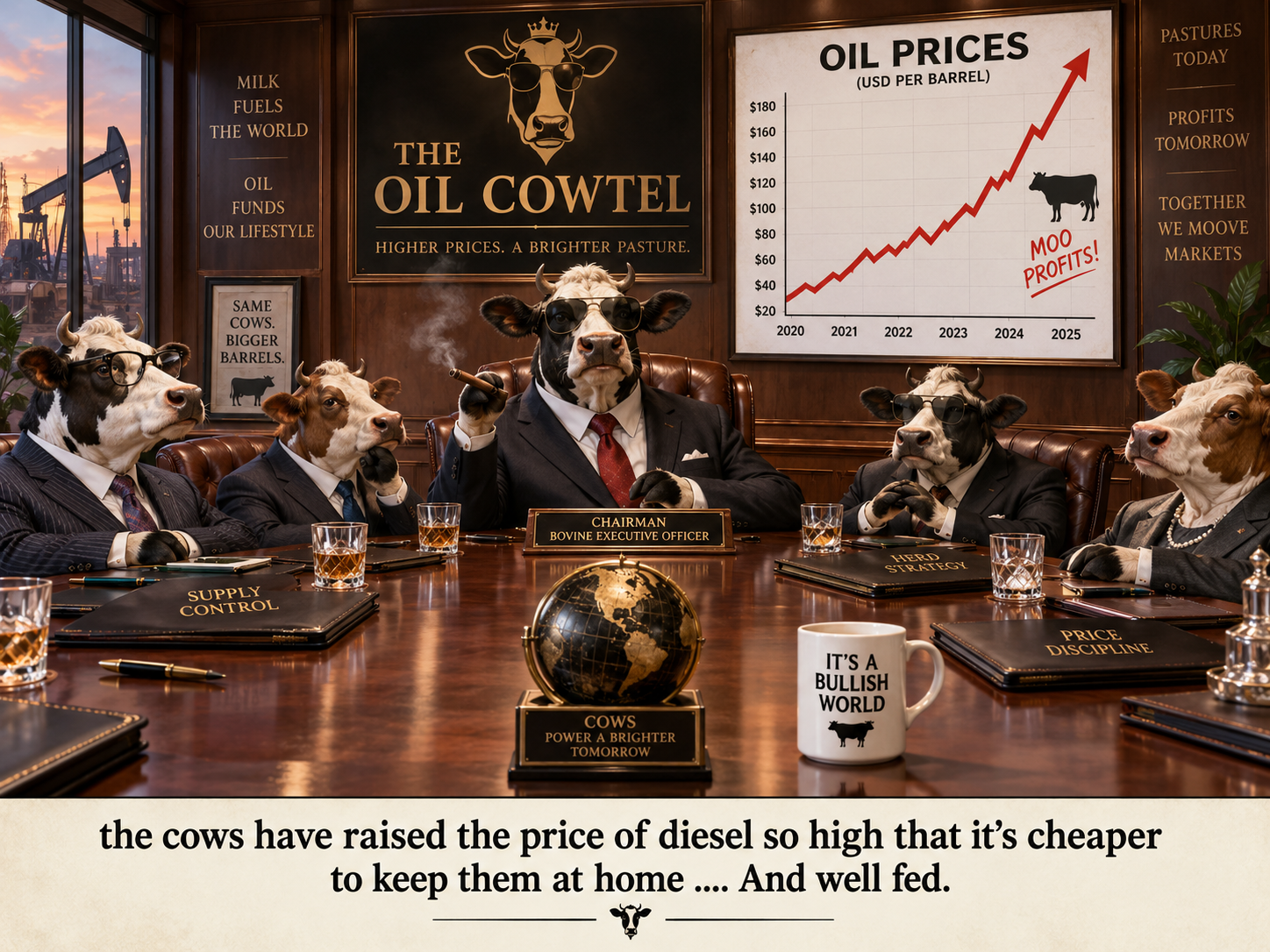
They’re watching Chicago futures, basis levels, transportation costs, fuel prices, export demand, interest rates and what’s happening thousands of miles away in countries that buy American agricultural products.
Early in the week, one of the biggest stories involved the cost of simply getting grain to market.
Railroad fuel surcharges on U.S. grain shipments have risen dramatically, adding another expense at exactly the time corn and soybean harvest is getting underway. That’s important because higher transportation costs don’t necessarily stay with the railroad or grain company. They can eventually work their way back to the price received by the farmer.
In other words, a respectable futures price doesn’t always mean a respectable check when the grain leaves the farm.
At the same time, soybean producers received some encouraging news as Chinese buyers reportedly made a major purchase of U.S. soybeans.
That illustrates something remarkable about agriculture today: a soybean farmer in Iowa, Illinois or Indiana can have the value of his crop affected by a purchasing decision being made halfway around the world.
Corn and Soybean Markets Show Some Life
Grain markets remained one of our biggest subjects throughout the week.
USDA crop projections, export demand, ethanol usage, weather and South American production expectations all continued to influence corn, soybean and wheat prices.
By Friday, corn and other major grains had begun showing some strength.
That’s welcome news, but profitability on the farm remains a much bigger equation than simply looking at commodity prices.
Farmers still have fertilizer, seed, equipment, land, labor, transportation, interest and energy costs to pay.
And this week, one expense kept forcing its way into the conversation:
Diesel.
Farmers and Truckers Have the Same Problem at the Fuel Pump
One reason the Daily Farm Brief expanded its focus this week to include America’s trucking community is simple:
Agriculture doesn’t work without trucks.
Seed comes to the farm on trucks. Fertilizer arrives by truck. Equipment and replacement parts travel by truck. Then grain, livestock, milk, fruit and vegetables have to leave the farm and travel somewhere else.
When diesel becomes expensive, both farmers and truckers feel it immediately.
The federal government temporarily relaxed certain hours-of-service restrictions for qualifying drivers hauling gasoline and diesel in an effort to help keep fuel moving through the supply chain.
For agriculture during harvest, fuel availability isn’t just a question of price.
A combine with no diesel doesn’t harvest corn.
A truck with no diesel doesn’t move grain.
And a grocery store ultimately doesn’t get stocked unless somebody moves the food.
That’s why farmers and truck drivers have more in common than many people realize. One grows America’s food. The other makes sure it gets where it needs to go.
Drought Shows Why the National Crop Number Isn’t the Whole Story
One of the week’s more serious agricultural stories came from South Dakota.
Drought conditions took a significant bite out of projected corn and soybean yields in parts of the state.
That story illustrates an important reality behind national USDA crop statistics.
America can produce a large crop overall while individual farms or entire regions experience a completely different year.
For the farmer standing in a drought-damaged field, a lower yield isn’t an interesting statistic on a government report.
It’s income that isn’t going to arrive.
Unfortunately, fertilizer bills, land payments and machinery payments don’t get smaller just because it didn’t rain.
Artificial Intelligence Has Arrived on the Farm
If this week’s episodes proved anything else, it’s that modern agriculture is becoming one of the most technologically sophisticated industries in America.
John Deere has been developing artificial-intelligence tools designed to help producers work with information from their own operations.
Elsewhere, researchers and farmers are experimenting with cameras that can distinguish crops from weeds and systems capable of targeting weeds without relying entirely on traditional broadcast spraying.
We talked about laser weed control, drones communicating with robots, autonomous machinery, precision application technology, machine vision and AI-assisted crop monitoring.
At Husker Harvest Days, many of those trends were on full display.
The direction is becoming pretty clear.
Future farms will still need people who understand soil, weather, plants, machinery and livestock.
They may also need people who understand software, data, sensors, GPS and artificial intelligence.
The farmer of the future may still wear boots and a ball cap.
He’s just increasingly likely to need a password manager too.
Soil Health, No-Till and Cover Crops Remain Part of the Technology Story
Not every agricultural innovation involves a computer.
No-till farming and cover crops continue to receive attention because farmers are looking for ways to protect soil structure, reduce erosion, conserve moisture and keep living roots in the soil longer.
Meanwhile, growers in many parts of the country are preparing for winter wheat planting and watching moisture and seedbed conditions.
Sometimes agriculture’s newest technology and its oldest lessons meet in the same field.
Better sensors may help tell us what’s happening underground, but healthy soil was important long before anybody had a satellite looking at it.
The 2026 Farm Bill Stays on Farmers’ Radar
Washington also remains part of the agricultural conversation.
Work surrounding the 2026 Farm Bill continues to matter because decisions involving crop insurance, commodity programs, conservation funding and nutrition programs can ultimately touch nearly every corner of American agriculture.
Farm policy may not make for exciting conversation at the coffee shop every morning, but its effects can last for years.
For producers dealing with volatile commodity markets, weather risk and historically high input costs, the details matter.
Farm Labor Is Becoming a Technology Issue Too
North Dakota highlighted another issue this week: finding enough qualified people to operate increasingly sophisticated farm equipment.
Modern machinery can cost hundreds of thousands of dollars and contains technology that would have sounded like science fiction on many farms a generation ago.
Owning the equipment isn’t enough.
Someone has to know how to operate it.
That combination of tight farm labor and increasingly capable machinery is one reason automation continues moving deeper into agriculture.
The question isn’t necessarily whether robots are coming to the farm.
In some places, they’re already there.
Then Agriculture Got Weird
Of course, the Daily Farm Brief isn’t supposed to sound like somebody reading an agricultural economics textbook.
That’s where You Don’t Hear That Every Day comes in.
Our first week brought plenty of candidates.
We met a Kentucky farm raising hundreds of ostriches and looking at the unusual market potential for ostrich meat.
Authorities intercepted giant Goliath beetles being transported internationally without proper permits.
In Mexico, authorities discovered a hidden cryptocurrency mining operation that gave an entirely different meaning to the words “crypto farm.”
An Indiana farmer began harvesting commercial popcorn unusually early in September after a difficult growing season.
And researchers are even studying biological processes that could potentially convert components derived from plastic waste into ingredients suitable for producing food—including an experimental 3D-printed cookie.
Apparently, agriculture’s definition of a normal week has gotten pretty broad.
The Farmer’s Almanac Still Gets a Seat at the Table
With all the AI, market data, satellites and technology we discuss, the Farmer’s Almanac remains part of every Daily Farm Brief.
There’s something appropriate about that.
Agriculture may be racing toward autonomous machinery and artificial intelligence, but farmers have been watching the moon, seasons, frost, weather patterns, animals and soil for generations.
Modern meteorology is obviously more sophisticated than reading signs in nature.
But agriculture has always been an industry built around observation.
Long before there was an app for it, somebody was standing outside looking at the sky.
One Week, One Big Picture
Taken together, the stories from September 13 through September 18 tell us a lot about where American agriculture stands today.
Farmers are producing food in an industry being reshaped by technology while still battling the oldest challenges agriculture has ever faced: weather, prices, labor and uncertainty.
Truckers are dealing with many of the same fuel and operating-cost pressures while moving the products agriculture depends on.
Global trade can move a soybean market.
Drought in one state can devastate individual farms even during a strong national crop year.
Artificial intelligence can tell a machine where a weed is.
And somewhere, apparently, somebody is trying to figure out how to turn yesterday’s plastic bottle into tomorrow’s cookie.
That’s modern agriculture.
Serious business.
Incredible technology.
Hard-working people.
And occasionally, just strange enough to make you wonder what tomorrow’s episode is going to bring.
Farm Tales Unplugged – Daily Farm Brief brings farmers, truckers and anyone interested in agriculture a short, informative and entertaining look at agricultural news, grain markets, farm technology, trucking, rural business, the Farmer’s Almanac and the stories you don’t hear every day.
New episodes are available throughout the week.
Farm Tales Unplugged is brought to you by World TradeX — The Future of Food.
The future of food starts with the people who grow it and depends on the people who move it.
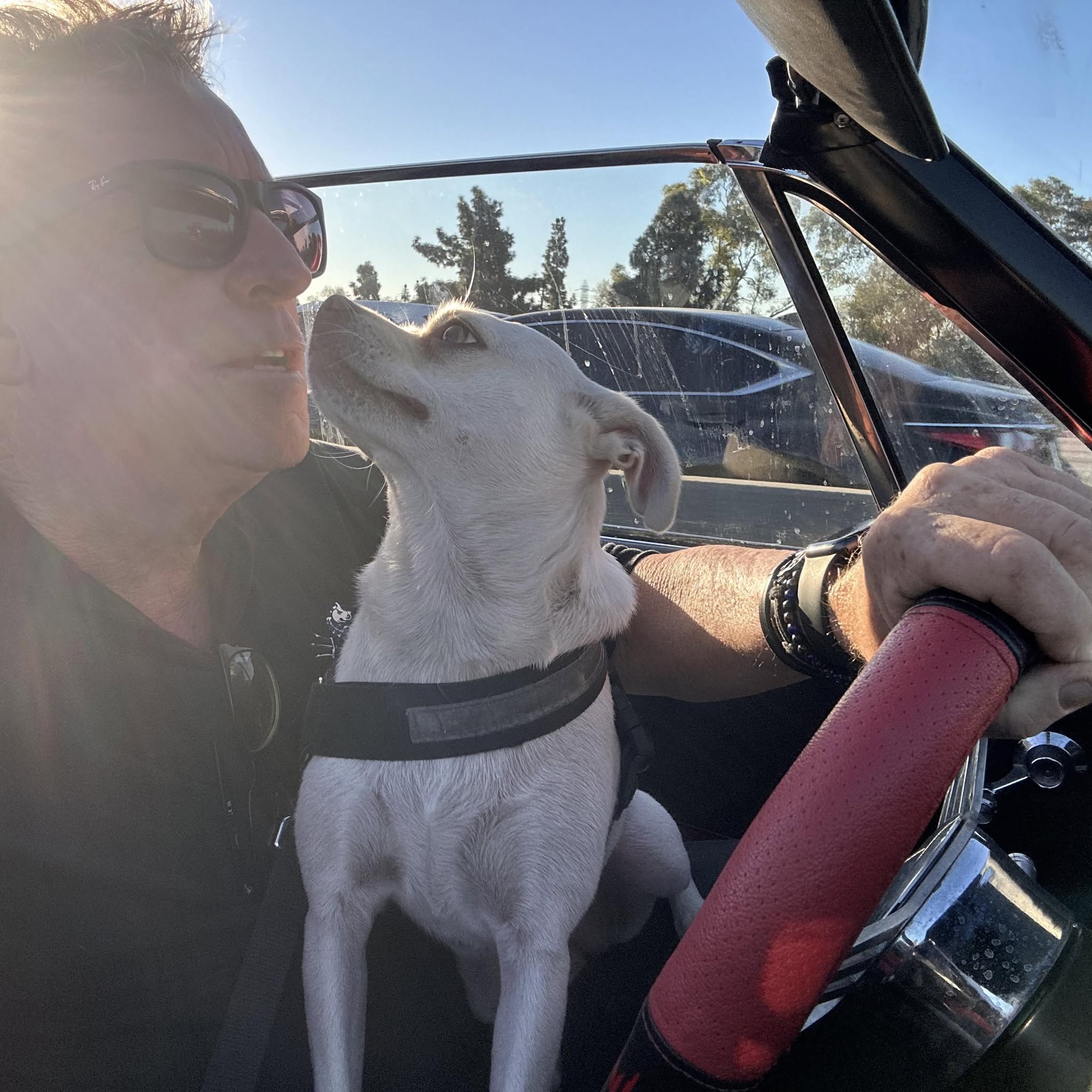
Rick is a broadcaster at heart, having built an internet radio network back in 1993. Back then they were called archived shows (mp3), the term podcast didn't exist but some people were already podcasting and he was one of them. Internet radio fizzled out fast when the Sirius satellites were launched and all the big networks inhaled all the programming. Here we are 30 years later. My how things have changed. Independent media put regular people on the same playing field and news and entertainment changed forever. His passion is being a boat captain and spending every minute with his little girl dog Mandy by his side.
His news delivery style is described as "Hit the fact, explain why anyone would care, make a joke and move on". He tears though things he believes will be worth a listener knowing and hoping he can get them to smile or chuckle. Much of the news is not "Happy news" and he realizes how hard things are for farmers and truckers, so he tries to keep it light and comical because no matter how bad things get we always need to find a way to laugh about it or we'd all go crazy.
If you want a passionate ally to dole out the news while mixing it up with funny short stories and odd side news, you will find his favorite program "Daily Farm Brief" a worthy 10 minutes of you weekday. He isn't very pc and he doesn't do boardrooms, he is difficult and overly direct. This makes his life 10x more difficult, but he is right at home behind the mic.
Military Tech for Farming: How Plant Armor Tripled Strawberry Yields