How ForageCam and Real-Time AI Are Changing Silage Quality in 2026
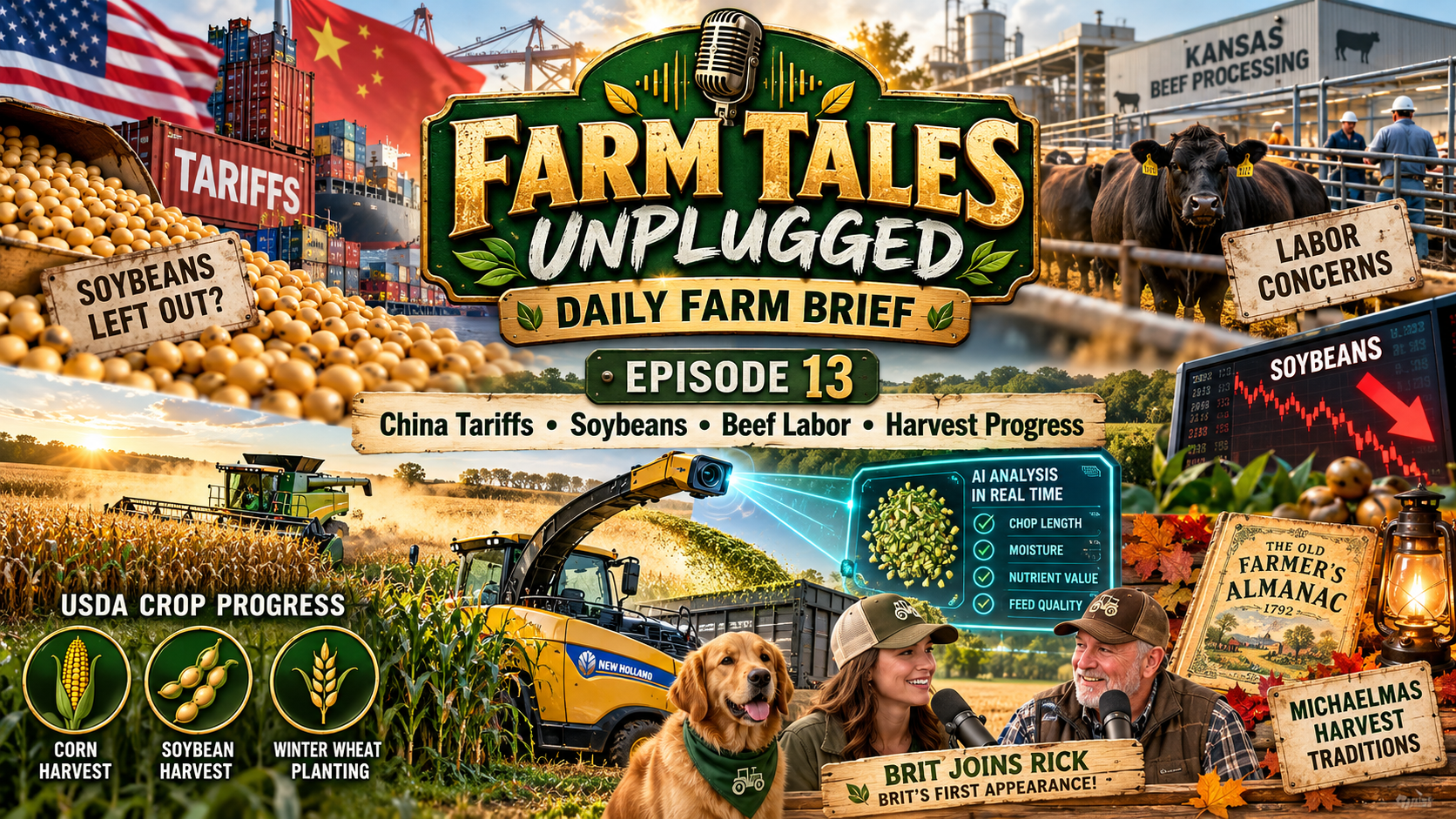
Discover how real-time artificial intelligence and camera sensor systems like New Holland's ForageCam are revolutionizing forage harvesting. This guide explores how automated kernel processing analysis improves silage nutritional value, boosts livestock energy efficiency, and eliminates guesswork during high-pressure harvest windows.
Key Takeaways
- ForageCam uses real-time AI-powered cameras to inspect chopped corn passing through forage harvesters.
- Automated kernel processor adjustments ensure optimal processing without manual operator intervention.
- Properly processed corn silage directly improves energy and nutrient availability for dairy and beef cattle.
- Smart harvest technology helps farms maintain consistent feed quality even during fast-paced harvest operations.
The Evolution of Forage Harvesting: Moving Beyond Manual Checks
For generations, evaluating corn silage quality meant stopping the machine, digging through a pile of chopped material, and visually inspecting kernel damage in the palm of your hand. While experienced operators developed an impressive intuition for setting kernel processors, traditional methods are fundamentally reactive. By the time you notice uncracked kernels or over-processed mush in the wagon, acres of valuable crop have already passed through the machine.
The introduction of machine vision and artificial intelligence in modern agriculture changes this dynamic completely. Instead of spot-checking material at the end of a field or waiting for lab results from bunker samples, modern forage harvesters can now analyze the crop stream continuously. Camera systems mounted directly inside the chute watch the chopped material fly by, measuring kernel fracture rates on the fly and making micro-adjustments before quality issues compound.
How ForageCam and AI Kernel Analysis Work
Integrating advanced sensor technology into heavy machinery requires durability, speed, and precision. Systems like New Holland's ForageCam are specifically engineered to withstand the harsh, dusty, high-vibration environment of a silage cutter while capturing high-resolution imagery at incredible speeds.
Real-Time Image Processing in the Chute
As chopped corn and plant matter travel through the acceleration chute, the AI-powered optical sensor captures continuous frames of the moving crop stream. Proprietary algorithms instantly differentiate between stalk material, husk, and individual corn kernels. The system evaluates whether each kernel has been adequately fractured to allow rumen microbes access to the starch inside.
Automated Roll Gap Adjustments
Detecting a problem is only half the battle. The true value of these smart systems lies in closed-loop automation. When the optical sensor detects that kernel damage falls below target thresholds—perhaps due to changing moisture levels across a variable soil type in the same field—the system can automatically signal the machine to adjust the roller gap. This eliminates the need for the operator to climb down from the cab or constantly second-guess their concave settings.
The Direct Nutritional Impact on Livestock Rations
Why does real-time kernel processing matter so much to the bottom line? Corn silage forms the backbone of countless dairy and beef feeding programs across North America. However, ruminants cannot easily digest intact corn kernels. If a kernel passes through the animal whole, its valuable starch and energy content are simply wasted in the manure.
When silage is consistently and properly processed:
- Increased Starch Availability: Cattle extract significantly more total digestible nutrients from every ton of feed.
- Reduced Supplement Costs: Better feed efficiency means nutritionists can potentially reduce expensive imported grain supplements in the total mixed ration.
- Consistent Animal Performance: Uniform particle size and kernel processing prevent digestive upsets and maintain steady milk production or weight gain across the herd.
Technology that solves fundamental biological challenges represents a massive leap forward for farm profitability. For a broader look at current agricultural markets, crop progress, and machinery innovations, be sure to Listen to the full episode of the daily brief.
Frequently Asked Questions
What is ForageCam and how does it work?
ForageCam is an AI-powered camera system mounted inside a forage harvester's chute. It uses machine vision to continuously inspect chopped corn and evaluate kernel processing rates in real time as the crop moves through the machine.
How does real-time AI improve silage quality?
By monitoring kernel damage continuously, the system can automatically trigger adjustments to the kernel processor rolls. This prevents under-processed grain from entering the storage bunker and ensures uniform feed quality across varying field conditions.
Why is kernel processing critical for cattle rations?
Ruminants cannot digest whole corn kernels effectively. Cracking and processing every kernel allows dairy and beef cattle to fully access the starch, energy, and nutrients inside, leading to better feed efficiency and higher overall herd performance.
Do operators still need to manually adjust harvester settings?
While traditional harvesting required frequent manual checks and stop-and-go adjustments by the operator, automated AI sensor systems reduce this burden by making precise, automatic corrections on the fly.
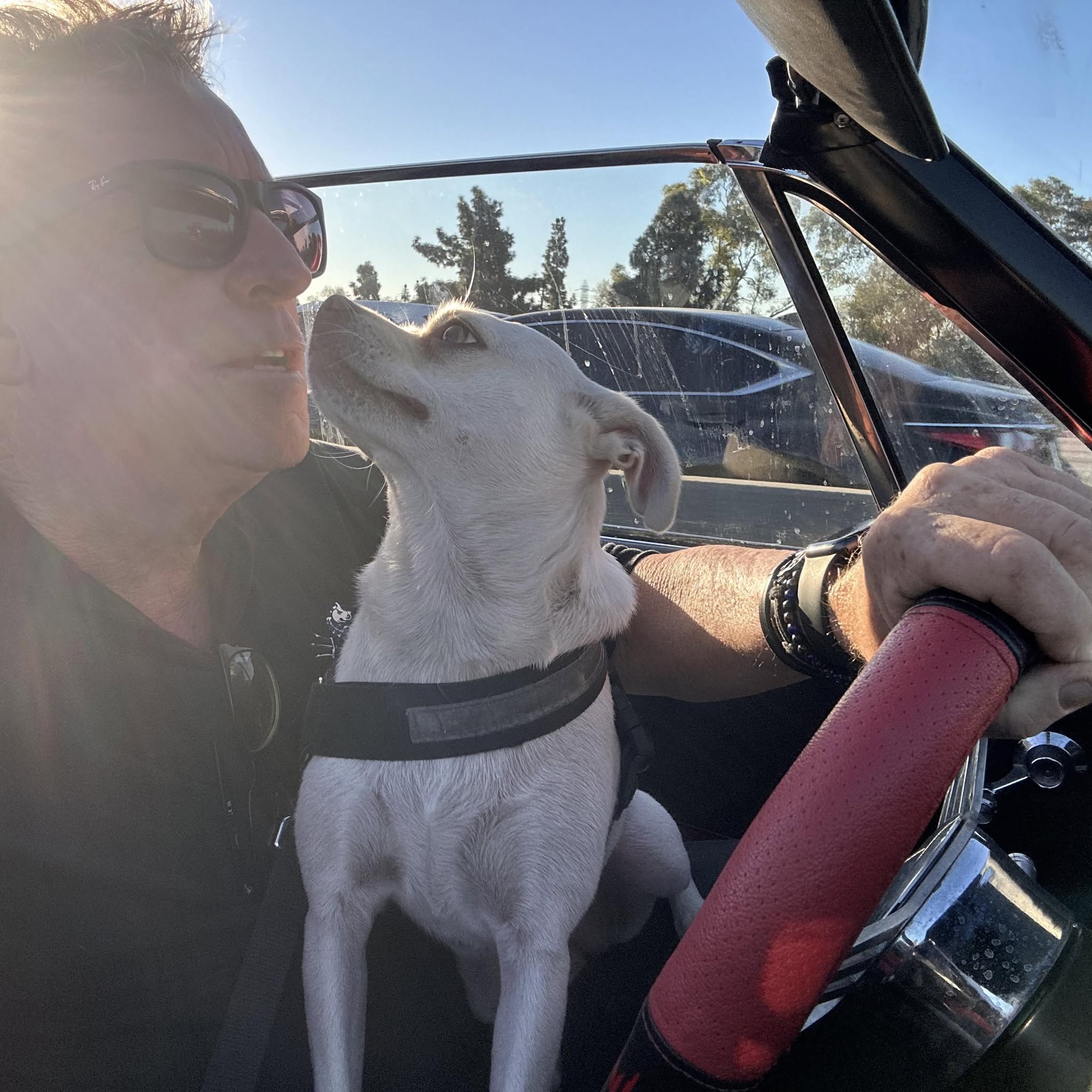
Rick is a broadcaster at heart, having built an internet radio network back in 1993. Back then they were called archived shows (mp3), the term podcast didn't exist but some people were already podcasting and he was one of them. Internet radio fizzled out fast when the Sirius satellites were launched and all the big networks inhaled all the programming. Here we are 30 years later. My how things have changed. Independent media put regular people on the same playing field and news and entertainment changed forever. His passion is being a boat captain and spending every minute with his little girl dog Mandy by his side.
His news delivery style is described as "Hit the fact, explain why anyone would care, make a joke and move on". He tears though things he believes will be worth a listener knowing and hoping he can get them to smile or chuckle. Much of the news is not "Happy news" and he realizes how hard things are for farmers and truckers, so he tries to keep it light and comical because no matter how bad things get we always need to find a way to laugh about it or we'd all go crazy.
If you want a passionate ally to dole out the news while mixing it up with funny short stories and odd side news, you will find his favorite program "Daily Farm Brief" a worthy 10 minutes of you weekday. He isn't very pc and he doesn't do boardrooms, he is difficult and overly direct. This makes his life 10x more difficult, but he is right at home behind the mic.
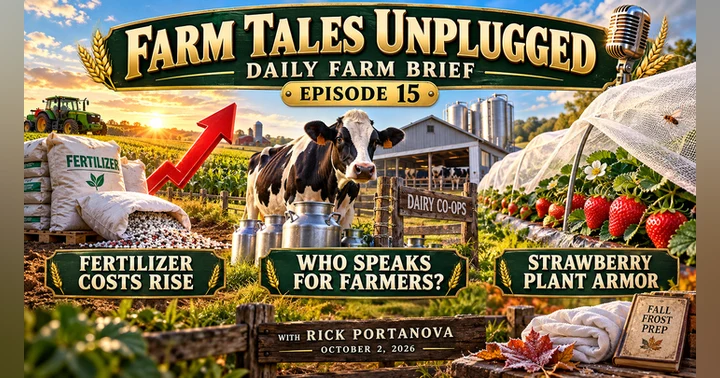
Military Tech for Farming: How Plant Armor Tripled Strawberry Yields