Autonomous Vineyard Robots and UV Light: Can Thorvald Replace Fungicides?
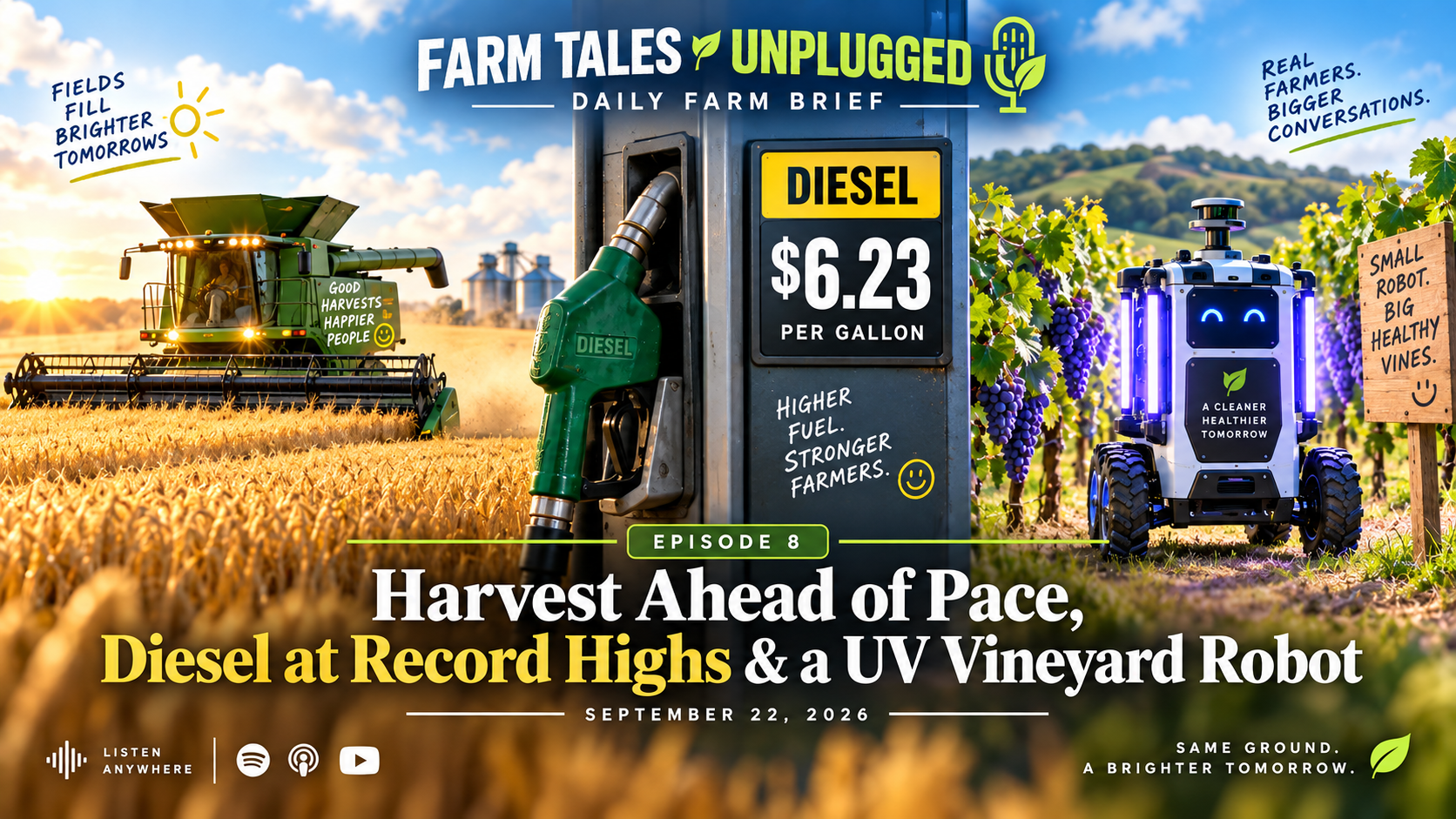
Autonomous agricultural robotics are transforming specialty crop management, specifically through the use of ultraviolet-C light technology. California vineyards are deploying self-driving UV robots like the Thorvald to suppress powdery mildew overnight without chemical fungicides. This deep dive explores the mechanics, operational challenges, economic realities, and future outlook of robotic UV treatment in modern viticulture.
Key Takeaways
- Over 100 Thorvald ultraviolet robots operate across 27 California vineyards, treating approximately 2,600 acres for powdery mildew.
- Nighttime UV-C exposure disrupts the cellular mechanisms of powdery mildew fungi, offering a chemical-free alternative to traditional spraying.
- Robots face unique field challenges, including navigating complex terrain, uneven canopy development, and subterranean obstacles like gopher holes.
- The latest commercial units cost approximately $125,000, shifting labor expenses from seasonal vineyard spray crews to capital equipment investment.
- While highly effective for mildew suppression, automation integration requires careful calibration to avoid crop damage during unexpected system malfunctions.
The Science of UV-C Light in Viticulture
Powdery mildew represents one of the most persistent and economically devastating fungal threats to wine grapes. Traditionally, growers rely on sulfur applications, synthetic fungicides, and rigorous canopy management to keep the pathogen at bay. However, consumer demand for sustainable farming practices, tightening regulatory approvals, and the risk of fungicide resistance have accelerated the search for non-chemical interventions.
Ultraviolet-C light provides a compelling biological solution. When applied at precise dosages during specific dark windows, UV-C radiation damages the DNA of the fungal spores, preventing them from reproducing and spreading across the vine canopy. Because powdery mildew spores are particularly sensitive to UV light during specific nighttime hours, autonomous machines must operate exclusively after sunset. This is where specialized robotics step in to shoulder the burden of overnight field operations.
How the Thorvald Robot Operates
Engineered specifically for agricultural environments, the Thorvald robot weighs roughly 900 pounds and features a robust, modular chassis designed to straddle vine rows. Equipped with specialized lighting arrays that project UV-C energy directly onto the fruiting zone and leaves, the machine maps vineyard rows using advanced GPS and lidar guidance systems.
Operating entirely through the night, the robot cruises autonomously at low speeds, ensuring every leaf surface receives the exact luminous exposure required to neutralize fungal spores. Because it requires no human operator to sit behind a tractor wheel during the graveyard shift, farm managers can allocate human labor to daytime tasks while the robot handles round-the-clock preventative treatments.
Economic and Operational Challenges of Vineyard Robotics
Despite the futuristic appeal of autonomous UV weed and fungus management, adopting high-tech hardware comes with significant financial and logistical hurdles. Understanding the true total cost of ownership is essential for vineyard managers considering a transition away from traditional spray rigs.
Capital Expenditure Versus Labor Savings
With current commercial models retailing around $125,000, deploying a fleet of ultraviolet robots requires substantial upfront capital. Growers must weigh this investment against recurring expenses like tractor fuel, wear and tear on traditional sprayers, chemical fungicide purchases, and increasingly scarce seasonal farm labor. For larger vineyard operations managing thousands of acres, the labor savings and chemical reduction can justify the price tag within a few production cycles. However, smaller vineyards often rely on custom operators or cooperative ownership models to access the technology.
Real-World Field Hurdles
Field conditions rarely match laboratory simulations. Vineyard floors present unpredictable obstacles, ranging from steep slopes and muddy soil after late-season irrigation to subterranean pests. A notable field test highlighted the unexpected vulnerabilities of early-generation autonomous systems when a robot encountered a gopher hole, immobilized itself, and kept its high-intensity ultraviolet lights focused on a single spot, inadvertently frying several adjacent grapevines before safety overrides engaged. While modern engineering has dramatically improved fail-safes and obstacle detection, these mechanical and biological surprises remind growers that field robotics still require vigilant supervision.
The Broader Impact on Sustainable Farming
The rise of ultraviolet vineyard management arrives at a critical juncture for California wine grape growers. With regional wine sales down significantly over recent harvest cycles and producers forced to pull out unproductive acreage to rebalance market supply, reducing input costs has never been more vital. Eliminating or drastically cutting down on chemical fungicide applications lowers input expenses while protecting the long-term microbiome of the vineyard soil.
Furthermore, consumer transparency demands cleaner, more sustainably produced agricultural products. Wineries that can market their harvests as utilizing zero-chemical UV disease management gain a distinct competitive advantage in premium retail channels. As autonomous hardware continues to drop in price and improve in reliability, nighttime robotic sanitation may soon transition from an experimental luxury to an industry-standard best practice.
Conclusion
Autonomous agricultural tools like the Thorvald robot illustrate how modern engineering is reshaping daily farm management. While managing mechanical quirks and high initial capital costs remains a challenge, the potential to eliminate chemical fungicides, reduce labor bottlenecks, and protect delicate vine canopies makes UV-C robotics a fascinating frontier for specialty crops. To explore more agricultural trends, market updates, and daily insights, Listen to the full episode for a comprehensive breakdown of current farming conditions, grain markets, and agricultural technology.
Frequently Asked Questions
What is the primary function of the Thorvald robot in vineyards?
The Thorvald robot drives autonomously through vineyard rows at night to apply ultraviolet-C light directly to grapevines, neutralizing powdery mildew without the need for traditional chemical fungicides.
Why must ultraviolet mildew treatment happen at night?
Powdery mildew spores are especially sensitive to UV-C radiation during darkness. Furthermore, sunlight naturally repairs the cellular damage caused by UV light, making daytime treatments largely ineffective against the fungus.
How much does a commercial UV vineyard robot cost?
The latest commercial models of the Thorvald agricultural robot are expected to retail around $125,000, positioning them as a capital investment aimed at replacing chemical purchases and reducing spray-crew labor hours.
Can UV robots completely replace conventional vineyard sprayers?
While highly effective at suppressing powdery mildew, UV-C treatment does not address other pests, insects, or nutritional deficiencies. Most growers view the robots as a powerful tool to significantly reduce chemical applications rather than a 100% replacement for all spray operations.
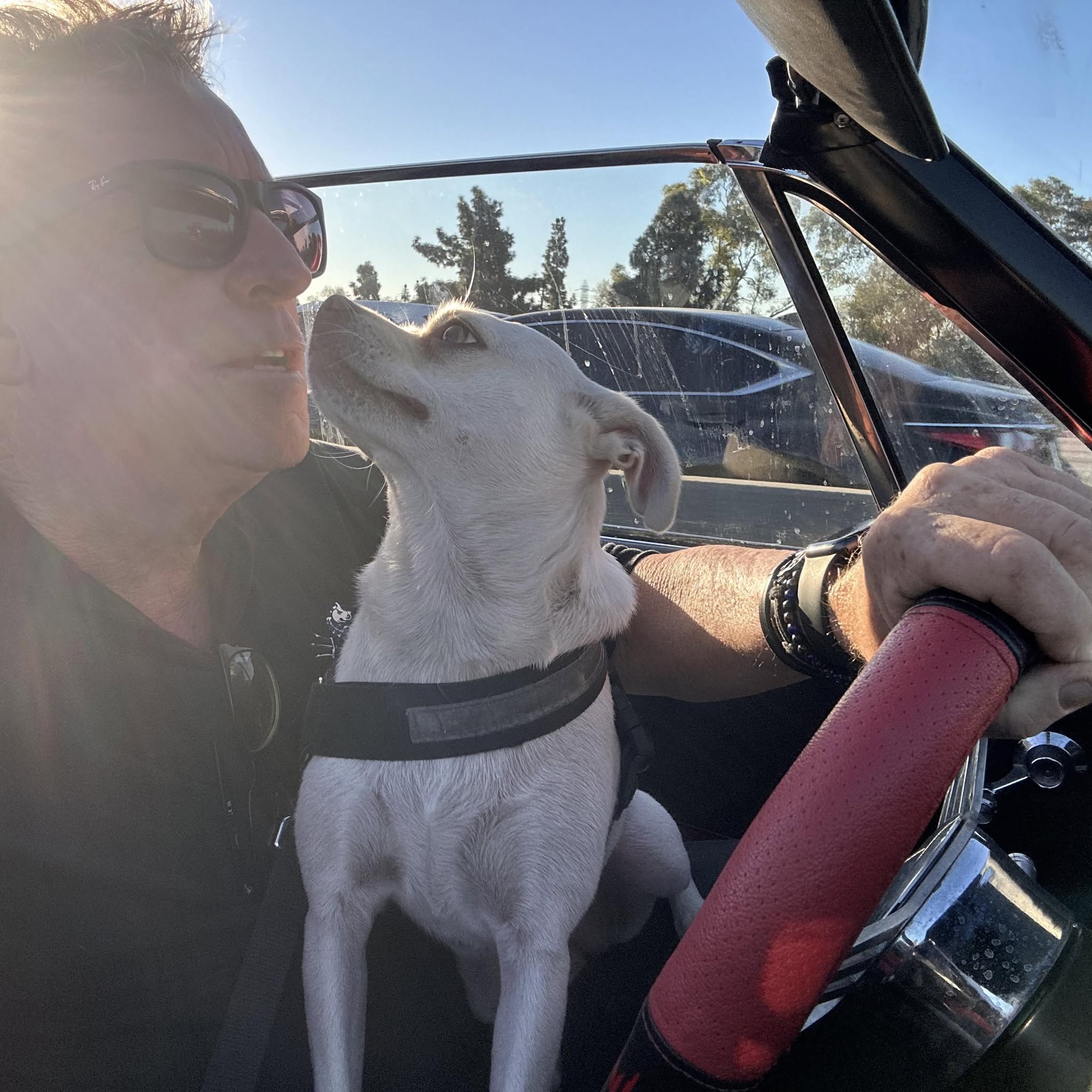
Rick is a broadcaster at heart, having built an internet radio network back in 1993. Back then they were called archived shows (mp3), the term podcast didn't exist but some people were already podcasting and he was one of them. Internet radio fizzled out fast when the Sirius satellites were launched and all the big networks inhaled all the programming. Here we are 30 years later. My how things have changed. Independent media put regular people on the same playing field and news and entertainment changed forever. His passion is being a boat captain and spending every minute with his little girl dog Mandy by his side.
His news delivery style is described as "Hit the fact, explain why anyone would care, make a joke and move on". He tears though things he believes will be worth a listener knowing and hoping he can get them to smile or chuckle. Much of the news is not "Happy news" and he realizes how hard things are for farmers and truckers, so he tries to keep it light and comical because no matter how bad things get we always need to find a way to laugh about it or we'd all go crazy.
If you want a passionate ally to dole out the news while mixing it up with funny short stories and odd side news, you will find his favorite program "Daily Farm Brief" a worthy 10 minutes of you weekday. He isn't very pc and he doesn't do boardrooms, he is difficult and overly direct. This makes his life 10x more difficult, but he is right at home behind the mic.

Military Tech for Farming: How Plant Armor Tripled Strawberry Yields