Veterans Returning to the Land, Modern Dairy Chemistry, and Smart Feed Strategies
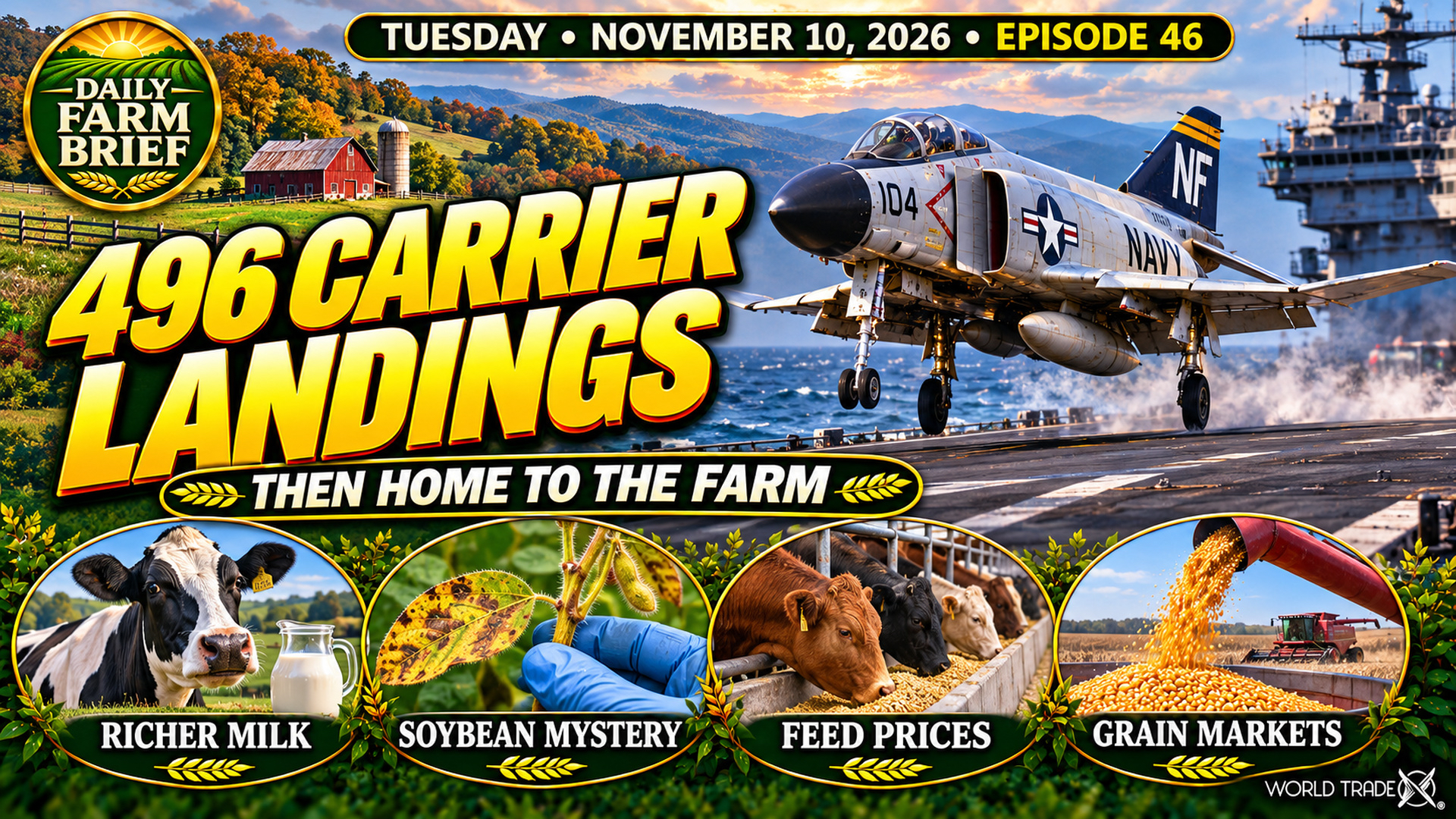
Welcome back to the podcast blog! If you tuned in to our latest episode, you know we covered a lot of ground—literally and figuratively. From the emotional and inspiring stories of military veterans transitioning from active duty to the demanding life of the family farm, to the intricate biochemistry of modern milk production, and finally, critical agronomic updates and feed purchasing strategies, we spanned the entire breadth of modern agriculture. In this post, we are going to dive much deeper into these topics, unpacking the science, the economics, and the human elements that make our agricultural community so resilient and dynamic.
From Combat to Cultivation: Veterans Carrying on the Family Farm
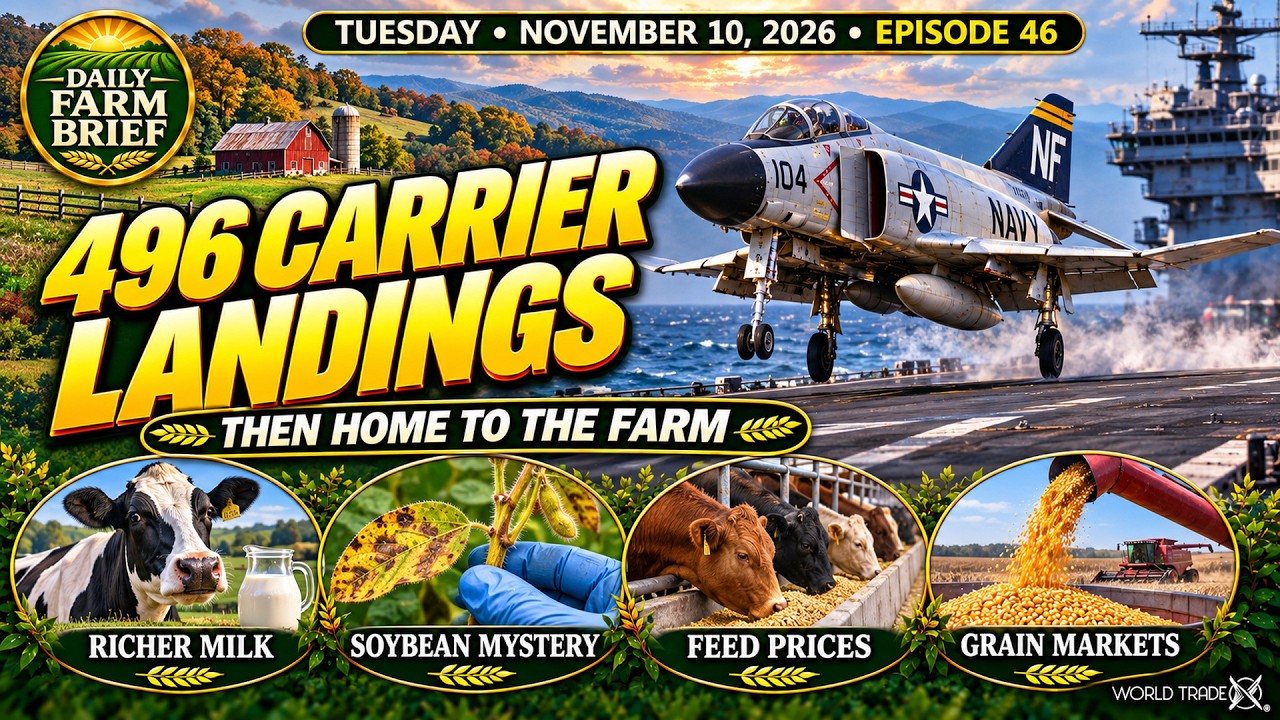
One of the most profound segments of our recent episode focused on military veterans who return from active service to take over or help run their family farms. The transition from the structured, high-stakes environment of the military to the unpredictable, self-directed world of agriculture is fraught with challenges, yet many veterans find that the skills they acquired in service translate remarkably well to the farm.
When a service member returns home, they often grapple with the invisible wounds of war, ranging from post-traumatic stress to the simple disorientation of no longer wearing a uniform. For those fortunate enough to have a family farm waiting for them, the land offers a powerful therapeutic outlet. Working the soil, caring for livestock, and watching crops emerge from the earth provide a tangible sense of purpose and continuity. The rhythm of the seasons offers a stark, healing contrast to the chaos of combat zones.
However, the farm is not a museum; it is a business. Veterans stepping into leadership roles on multi-generational farms must quickly master the nuances of modern agricultural economics, supply chain logistics, and personnel management. Fortunately, military leadership training emphasizes adaptability, crisis management, and mission-oriented thinking. A veteran who has managed multimillion-dollar equipment in a desert deployment often possesses the logistical acumen required to manage a complex, capital-intensive dairy or crop operation.
Moreover, programs across the country are stepping up to bridge the gap. Initiatives like the Farmer Veteran Coalition help former service members find their footing in agriculture by providing mentorship, networking, and financial resources such as the Homegrown By Heroes label, which allows consumers to identify and support products grown by veterans. As we discussed on the show, supporting these veterans isn't just about charity; it is about investing in the future of our food supply. These men and women bring unmatched dedication, discipline, and resilience to an industry that desperately needs young, forward-thinking leaders.
The Cream of the Crop: Why Today's Milk Has More Butterfat and Protein
Shifting gears from human stories to animal science, let's talk about what is happening in the bulk tank. If you ask any dairy farmer or dairy processor who has been in the industry for a few decades, they will tell you that the milk we are producing today is fundamentally different from the milk of thirty years ago. Specifically, average butterfat and protein content have been on a steady upward trajectory. Why is that?
For generations, the dairy industry was largely focused on volume. Fluid milk processors paid producers primarily based on hundredweight (hundred pounds of milk), with modest premiums or penalties for components. Cows were bred for high milk yield, sometimes resulting in milk that was comparatively dilute in solids. However, shifting consumer preferences and the meteoric rise of the specialty cheese, butter, and Greek yogurt markets completely upended this dynamic.
Today, component pricing dominates the milk check. Farmers are no longer rewarded just for shipping water; they are paid for the pounds of fat and true protein they send to the plant. This economic incentive triggered a massive wave of genetic selection. Through aggressive genomic testing and selective breeding, dairy producers have prioritized bulls and cow families that excel in transmitting high butterfat and protein percentages without sacrificing overall volume.
Nutrition and Management Ratios
Genetics, however, are only half the battle. You can have the best genetics in the world, but if the cow's rumen isn't functioning at peak efficiency, she will not express her full potential. Modern nutritionists have refined transition cow diets, fiber digestibility metrics, and amino acid balancing to optimize component synthesis in the mammary gland.
For instance, understanding how to manipulate the acetate-to-propionate ratio in the rumen has been a game-changer. Acetate, a volatile fatty acid produced by fiber fermentation in the rumen, is a primary precursor for milk fat synthesis. By feeding highly digestible forages and carefully managing starch levels, nutritionists can promote a rumen environment that favors butterfat production without inducing subacute ruminal acidosis. Additionally, the precise supplementation of rumen-protected amino acids, particularly methionine and lysine, has allowed producers to boost true protein percentages to levels that were previously thought unattainable.
Cheesemaker Demands and the Economics of High-Quality Milk
The rise in milk components isn't happening in a vacuum. It is being driven by intense demand from downstream processors, particularly artisan and industrial cheesemakers. To understand why modern cheesemakers are practically begging dairy farmers for high-fat, high-protein milk, we have to look at the basic physics and economics of cheese yield.
Cheese is essentially concentrated milk solids—primarily casein protein and milk fat trapped in a matrix of moisture and minerals, with the whey drained away. Therefore, the amount of cheese a vat can yield is directly proportional to the amount of fat and protein in the milk fed into that vat.
Consider the math: if a cheesemaker uses milk with a lower protein and fat content, it takes significantly more milk volume to produce a single block of cheddar or wheel of parmesan. This increases transportation costs, processing time, energy consumption, and labor overhead. Conversely, when a plant receives high-component milk, the cheese yield per hundredweight skyrockets. Cheesemakers can churn out more product with the same footprint and processing time, dramatically improving their profit margins.
This economic reality has translated directly into the milk pricing formulas established by cooperatives and proprietary plants. Component premiums have widened significantly over the years. In many markets today, a dairy farmer can see a substantial percentage of their milk check derived solely from their butterfat and protein pounds, overshadowing the base volume payment. This has created a symbiotic relationship where producers are heavily incentivized to adopt the advanced nutritional and genetic strategies we discussed, ensuring that processors receive the exact raw material they need to meet consumer demand for rich, high-end dairy products.
Agronomy Alert: Soybeans, Red Crown Rot, and Fusarium neo in Illinois
Moving from the dairy barn out to the cash crop fields, our recent episode also highlighted critical agronomic updates that every Midwest row-crop farmer needs to keep on their radar. Plant pathology is an ever-evolving battleground, and recent seasons have brought new challenges that threaten soybean yields.
In various regions, particularly throughout Illinois and surrounding states, agronomists have been sounding the alarm on emerging and shifting disease pressures. One of the most concerning topics we covered is the spread and identification of soybean Red Crown Rot, caused by the fungus *Calonectria ilicicola*, alongside issues related to *Fusarium* species like *Fusarium neocosmosporidiellum*.
Historically, Red Crown Rot was primarily considered a southern soybean disease, but changing weather patterns, shifting tillage practices, and increased spore movement have allowed it to creep northward. The symptoms of Red Crown Rot can easily be confused with other common yield-robbers like Sudden Death Syndrome (SDS) or stem canker. Farmers often notice interveinal chlorosis and necrosis in the leaves late in the season. However, the smoking gun for Red Crown Rot lies at the base of the plant: peeling root bark, a reddish discoloration of the lower stem, and tiny, spherical, red fungal structures called perithecia forming on the surface of the taproot and stem.
The presence of these pathogens poses a significant management headache. Unlike foliar diseases that can be sprayed away with a timely fungicide application, soil-borne and stem-infecting fungi like *Calonectria* and *Fusarium* require a long-term, integrated pest management approach. Once these pathogens establish in a field, their sclerotia or resting structures can persist in the soil for years, waiting for a susceptible host and favorable moisture conditions.
What can farmers do? Agronomists recommend a multi-pronged defense strategy:
- Variety Selection: While fully resistant commercial soybean varieties are still being developed for some of these newer northern incursions, seed companies are actively rating varieties for tolerance. Working with your seed rep to identify moderately tolerant genetics is a crucial first step.
- Crop Rotation: Rotating out of soybeans for a multi-year period with a non-host crop like corn can help reduce overall inoculum levels in the soil, though some soil-borne fungi have wide host ranges.
- Tillage and Drainage: Improving field drainage is vital, as saturated soils exacerbate root rots. Managing compaction layers also helps roots grow rapidly and outpace early-season infections.
- Seed Treatments: Utilizing broad-spectrum biological and chemical seed treatments can protect the germinating seed and seedling during the critical vulnerability window, though their efficacy against established stem-invading fungi varies.
The key takeaway from our agronomy segment is vigilance. Farmers need to be out in their fields scouting late in the season, pulling up symptomatic plants, and looking past the leaves down to the root crown. Catching a new disease early before it becomes a widespread soil infestation can save a farming operation thousands of dollars in lost yield down the road.
Feed Purchasing Strategy: Hedging Your Bets in a Fluctuating Market
Tying all these segments together—from the dairy barn to the grain fields—brings us to our final major topic: feed purchasing strategy. Whether you are running a dairy operation, a beef feedlot, or a swine facility, feed is typically the single largest variable expense on the balance sheet, often eating up 50% to 70% of total operating costs. In an era of extreme commodity market volatility, how a producer buys corn, soybean meal, and distillers grains can make the difference between a profitable year and severe financial distress.
During our podcast, we broke down the current macroeconomic factors influencing feed ingredients. Weather markets in South America, fluctuating domestic yield estimates, geopolitical tensions affecting global trade flows, and shifting export demand all conspire to create rollercoaster price action. When the market is swinging wildly day-to-day, panic-buying or paralysis are the two worst traps a farm manager can fall into.
So, what does a smart, disciplined feed purchasing strategy look like in a fluctuating market? It all comes down to risk management, hedging, and avoiding emotional decision-making.
1. Know Your Cost of Production
Before you even look at a Chicago Board of Trade ticker, you must know your breakeven cost. For a dairy farmer, this means calculating your cost of production per hundredweight of milk. For a livestock producer, it means knowing your cost of gain. If you don't know the exact price point at which a feed ingredient stops making financial sense, you are flying blind. Establishing clear financial thresholds allows you to pull the trigger when prices hit a profitable level, rather than waiting and hoping for a bottom that may never arrive.
2. Layer Your Purchases (Dollar-Cost Averaging)
Trying to time the grain market perfectly—selling at the absolute high or buying at the absolute low—is a fool's errand. Even the best grain merchandisers and commodity brokers get it wrong more often than not. Instead of locking in 100% of your annual feed needs on a single day, adopt a layered purchasing strategy. Buy small, incremental blocks of your projected needs over time. This dollar-cost averaging approach smooths out the volatility, ensuring you never buy everything at the absolute peak, even if you miss the absolute valley.
3. Utilize Flexible Forward Contracts and Options
Work closely with your local grain elevator, feed mill, or cooperative to explore tools beyond simple cash sales. Minimum-price contracts, hedge-to-arrive contracts, and options strategies allow producers to participate in upside price potential while protecting downside risk. While these tools can sometimes involve brokerage fees or advisory costs, the insurance they provide against catastrophic market spikes is often well worth the investment.
4. Evaluate Alternative Feedstuffs
When primary energy and protein sources like corn and soybean meal experience extreme price spikes, smart managers look for value in alternative feeds. Depending on your geographic location and local processing plants, coproducts such as dried distillers grains (DDGS), bakery waste, beet pulp, hominy feed, or soy hulls can offer significant cost savings. However, always run the numbers with your nutritionist to ensure that swapping ingredients doesn't disrupt ration balance, dry matter intake, or—in the case of our dairy producers—those all-important milk components!
Conclusion
From the inspiring resilience of military veterans building a future on the family farm, to the complex biochemistry maximizing butterfat and cheese yields, to navigating the hidden threats of soybean Red Crown rot and mastering the art of the feed market, agriculture is a masterclass in interconnected systems.
Thank you for reading along with this blog post breakdown of our latest episode. Agriculture never stands still, and neither do we. Make sure to subscribe to the podcast, leave a review, and share this post with a fellow farmer, agronomist, or industry enthusiast. Until next time, keep moving forward, manage your risk, and take care of the land and each other!

Rick is a broadcaster at heart, having built an internet radio network back in 1993. Back then they were called archived shows (mp3), the term podcast didn't exist but some people were already podcasting and he was one of them. Internet radio fizzled out fast when the Sirius satellites were launched and all the big networks inhaled all the programming. Here we are 30 years later. My how things have changed. Independent media put regular people on the same playing field and news and entertainment changed forever. His passion is being a boat captain and spending every minute with his little girl dog Mandy by his side.
His news delivery style is described as "Hit the fact, explain why anyone would care, make a joke and move on". He tears though things he believes will be worth a listener knowing and hoping he can get them to smile or chuckle. Much of the news is not "Happy news" and he realizes how hard things are for farmers and truckers, so he tries to keep it light and comical because no matter how bad things get we always need to find a way to laugh about it or we'd all go crazy.
If you want a passionate ally to dole out the news while mixing it up with funny short stories and odd side news, you will find his favorite program "Daily Farm Brief" a worthy 10 minutes of you weekday.
Preventing Irrigation Copper Theft: A Guide to Farm Security Tech