How Virtual Fencing Works for Cattle: GPS Collars vs. Traditional Wire
Virtual fencing uses GPS-enabled collars and electronic boundary mapping to contain cattle without physical wire or posts. Operating on audio warnings and minor electrical pulses, this technology achieves over 99 percent containment rates while drastically reducing labor, offering modern livestock producers an efficient alternative to traditional perimeter fencing.
Key Takeaways
- Virtual fencing systems rely on GPS collars to map and enforce invisible pasture boundaries electronically.
- Cattle receive an audio warning first, followed by a mild electrical pulse only if they continue past the threshold.
- Field trials show containment effectiveness exceeding 99 percent in real-world ranching environments.
- Ranchers save significant time and labor by eliminating the need to clear brush, mend broken wire, and pound new posts.
- Rotational grazing becomes drastically easier when paddocks can be redrawn instantly on a smartphone or computer screen.
The Mechanics of Virtual Fencing
For generations, the definition of a good ranch was measured by the integrity of its physical barriers. From barbed wire to high-tensile electric fences, keeping livestock where they belong has always meant hauling heavy timber, digging post holes, and constantly battling weather, fallen tree limbs, and rust. Today, virtual fencing is rewriting the rules of livestock management by replacing physical wood and wire with satellite data.
At its core, a virtual fencing system consists of three primary components: GPS-enabled smart collars worn by the cattle, a software platform used by the rancher to draw boundaries, and a communication network (often cellular or satellite-based) linking the two. When a rancher wants to create a new pasture division or keep cattle away from a sensitive riparian zone, they simply open an app on their phone or computer and draw a polygon over a satellite map of their land.
How the Animal Learns the Boundary
Cattle are creatures of habit and remarkably intelligent when it comes to routine. When an animal approaches the electronically mapped boundary, the GPS collar detects its proximity and initiates the first layer of deterrence: an audio cue. This is usually a distinct tone or chime that escalates in frequency as the animal gets closer to the invisible line.
Livestock quickly associate the sound with a consequence. If the animal heeds the warning and turns back into the permitted grazing zone, nothing further happens. If the animal ignores the audio warning and continues moving forward, the collar delivers a brief, harmless electrical pulse—similar to what they would experience touching a traditional powered hot wire. Within a very short training window, most cattle learn to respond exclusively to the audio tone, completely avoiding the pulse.
Labor Savings and Operational Efficiency
The economic argument for virtual fencing goes far beyond simply avoiding the purchase price of steel posts and barbed wire. On a working ranch, labor is often the single most expensive and constrained resource. Repairing miles of fence after a heavy winter storm, a wildfire, or an escaped bull pulls hands away from critical tasks like calving, feeding, and herd health management.
With virtual fencing, pasture rotation transforms from a multi-day heavy-labor project into a digital administrative task. Moving a herd from one grazing paddock to another can be accomplished from the cab of a pickup truck or the kitchen table in a matter of seconds. Ranchers can open up new sections of forage or rest overgrazed areas with unprecedented precision, maximizing pasture health without ever stretching a single strand of temporary polywire.
Protecting Sensitive Environmental Zones
Beyond daily pasture management, virtual fencing offers powerful tools for environmental stewardship. Ranchers often struggle to keep cattle out of creeks, wetlands, or newly reseeded pastures without building expensive permanent exclusion fencing. Virtual boundaries allow producers to instantly cordon off sensitive areas during specific seasons. Once the vulnerable window passes, the boundary can be erased just as quickly, returning that acreage to active grazing.
Practical Considerations and Limitations
Despite the incredible promise of satellite-guided livestock control, virtual fencing is not an immediate fix for every operation. Initial capital investment is a significant hurdle; outfitting an entire commercial cow-calf herd with high-tech GPS collars requires a substantial upfront financial commitment compared to traditional fencing supplies.
Additionally, technology relies heavily on infrastructure. Reliable battery life in the collars is crucial, and ranches located in remote, dead-zone areas may face challenges with cellular connectivity unless they invest in local repeater towers or satellite-linked base stations. Producers must also invest time upfront in properly training their cattle herd to understand how the audio cues and pulses work before turning them loose into large, unfenced landscapes.
Embracing the Future of Livestock Management
Agricultural technology is moving faster than ever, and virtual fencing represents a fundamental shift in how we think about land and livestock stewardship. While older generations of ranchers might look at GPS collars with skepticism after decades of building and repairing physical barriers, the efficiency, flexibility, and labor savings are hard to ignore. To hear more about cutting-edge agricultural tech, market trends, and daily farm news, be sure to Listen to the full episode and stay ahead of the curve in Farm Nation.
Frequently Asked Questions
Do virtual fencing collars hurt the cattle?
The collars are designed to be humane. They first issue an audio warning tone as the animal approaches the boundary. If the animal continues past the line, a mild electrical pulse is delivered, similar to a standard physical electric fence wire. Cattle quickly learn to turn back at the sound of the audio warning.
How accurate is GPS cattle containment?
Recent university and industry field trials, including research out of Nebraska, show that virtual fencing systems maintain a containment effectiveness rate of over 99 percent once the cattle are properly trained to recognize the audio and pulse cues.
What happens if a cow's GPS collar loses battery or signal?
Most advanced virtual fencing collars are built with durable, long-lasting batteries designed to run for months. If a collar loses power or signal entirely, the animal may wander past the virtual line, but systems generally alert the rancher to missing or malfunctioning collars via the management software dashboard.
Can virtual fencing completely replace traditional boundary fences?
While virtual fencing is exceptional for internal pasture rotation, temporary paddocks, and environmental management, most producers still maintain a strong physical perimeter fence along property lines and major highways as a fail-safe against technology failure or dead zones.
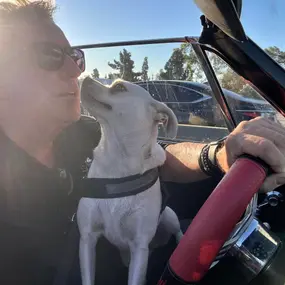
Rick is a broadcaster at heart, having built an internet radio network back in 1993. Back then they were called archived shows (mp3), the term podcast didn't exist but some people were already podcasting and he was one of them. Internet radio fizzled out fast when the Sirius satellites were launched and all the big networks inhaled all the programming. Here we are 30 years later. My how things have changed. Independent media put regular people on the same playing field and news and entertainment changed forever. His passion is being a boat captain and spending every minute with his little girl dog Mandy by his side.
His news delivery style is described as "Hit the fact, explain why anyone would care, make a joke and move on". He tears though things he believes will be worth a listener knowing and hoping he can get them to smile or chuckle. Much of the news is not "Happy news" and he realizes how hard things are for farmers and truckers, so he tries to keep it light and comical because no matter how bad things get we always need to find a way to laugh about it or we'd all go crazy.
If you want a passionate ally to dole out the news while mixing it up with funny short stories and odd side news, you will find his favorite program "Daily Farm Brief" a worthy 10 minutes of you weekday. He isn't very pc and he doesn't do boardrooms, he is difficult and overly direct. This makes his life 10x more difficult, but he is right at home behind the mic.

Military Tech for Farming: How Plant Armor Tripled Strawberry Yields