Converting Old Hog Barns Into Specialty Mushroom Farms: Costs & Steps
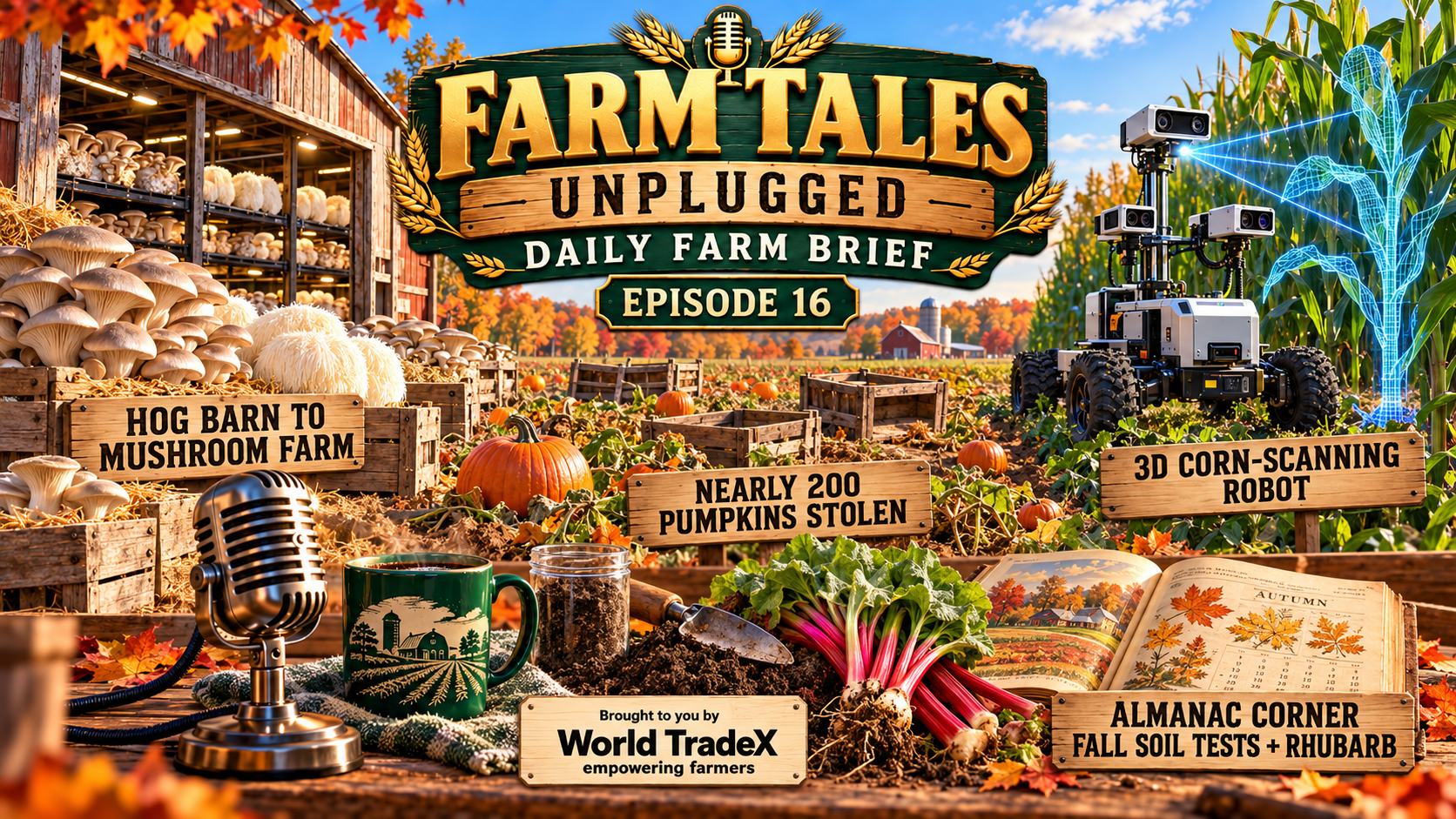
Converting an old livestock facility into a specialty mushroom production space offers a viable economic second life for empty agricultural buildings. This guide explores the structural adjustments, substrate preparation needs, and diversified revenue streams required to successfully transform a traditional hog barn into a profitable oyster and lion's mane mushroom operation.
Key Takeaways
- Old livestock buildings like 200-foot hog barns can be structurally retrofitted for climate-controlled specialty mushroom farming.
- Successful conversions require specialized rooms for growing, substrate preparation, and kitchen processing.
- Using local agricultural byproducts like soy hulls and hardwood pellets lowers long-term substrate preparation costs.
- Diversifying revenue with value-added products such as flavored salts, coffee blends, and hot chocolate boosts overall margins.
- Outside nonprofit grant support and transformation projects can provide crucial financial backing and cost tracking for early-stage conversions.
Assessing the Structural Potential of Livestock Buildings
When livestock operations phase out or consolidate, farmers are often left with large, specialized structures that represent years of capital investment. A traditional hog barn, while designed for high-density animal housing, possesses inherent physical attributes that can be re-engineered. Solid concrete flooring, existing utility lines, and manageable square footage make these structures prime candidates for agricultural diversification. However, turning a confinement building into a controlled growing environment requires a fundamental shift in environmental management.
Unlike livestock that generate their own body heat, specialty mushrooms like oyster and lion's mane demand strict humidity levels, specialized air filtration, and precise temperature controls. Farmers evaluating an old hog barn must inspect the integrity of the insulation, evaluate drainage systems to handle high moisture levels, and plan for partitioning the space. Creating distinct zones—such as separate incubation rooms, fruiting chambers, and a clean processing kitchen—prevents cross-contamination and optimizes workflow efficiency.
Zoning and Partitioning the Floor Plan
A typical 200-foot hog barn provides ample room for a modular layout. By dividing the structure into functional units, operators can scale their production incrementally. The front or middle sections often house the substrate mixing and autoclaving areas, while the sealed, dark rooms are dedicated to incubation and fruiting. Establishing a dedicated wash and packing kitchen inside the facility ensures that harvested mushrooms move directly from the growing chambers to food-safe packaging environments without breaking the cold chain.
Substrate Production and Management
Mushrooms do not grow in traditional topsoil; they require specific organic substrates that mimic their natural forest floor habitats. For specialty varieties like oyster and lion's mane mushrooms, growers frequently utilize a blend of agricultural byproducts. Utilizing locally sourced materials not only reduces operational overhead but also creates a closed-loop system within regional agriculture.
Common commercial growing blocks are manufactured using compressed hardwood pellets combined with agricultural supplements such as soy hulls. Managing this part of the operation in-house requires invested labor, precise moisture measurements, and thermal pasteurization or sterilization equipment to eliminate competing molds and bacteria. Farmers transitioning into this space must weigh the labor costs of manufacturing their own blocks against the convenience and expense of purchasing pre-inoculated spawn blocks from commercial laboratories.
Diversifying Revenue Streams Beyond Fresh Produce
Relying solely on the sale of fresh, harvested mushrooms can expose a newly converted farm to severe cash flow volatility, given the short shelf life of specialty fungi. Successful operations build resilient business models by incorporating value-added product lines that utilize their primary harvest or leverage their brand identity.
Value-added items can significantly extend market reach. Processed goods such as mushroom-infused flavored salts, specialized coffee blends, and gourmet hot chocolate mixes provide non-perishable inventory that can be sold year-round at farmers markets, specialty grocery stores, and online e-commerce platforms. This multi-tiered sales strategy cushions the farm against seasonal fluctuations in consumer demand and maximizes the return on investment for every square foot of the retrofitted barn.
Financial Planning and Leveraging Grant Support
The capital expenditure required to convert an old livestock building into a clean agricultural processing facility can be substantial. Insulation upgrades, HVAC modifications, misting systems, and stainless-steel processing equipment add up quickly. Fortunately, numerous regional and national agricultural transition initiatives offer financial and technical assistance.
Programs like the Transformation Project act as nonprofit catalysts, providing grants, technical oversight, and data collection services. By tracking labor hours, utility costs, and product margins across demonstration sites, these initiatives help future agricultural entrepreneurs calculate realistic return timelines. For any farmer looking at an empty barn, partnering with agricultural extension services and rural development programs is a critical first step to de-risking the conversion process.
To hear more about innovative farm transitions, rural security challenges, and high-tech agricultural advancements, Listen to the full episode of the Daily Farm Brief. Stay informed on how producers are finding creative ways to reinvent their operations for the future.
Frequently Asked Questions
What types of mushrooms are best suited for old livestock barn conversions?
Specialty varieties such as oyster mushrooms and lion's mane are exceptionally well-suited for indoor agricultural conversions because they thrive in controlled vertical hanging bags or shelving systems that maximize limited floor space.
What are the primary structural modifications needed when converting a hog barn?
Key modifications include upgrading climate control and HVAC systems to manage high humidity, improving insulation, sealing surfaces for easy sanitation, installing specialized misting equipment, and partitioning the open floor plan into segregated growth, incubation, and processing zones.
How do mushroom growers source their growing media?
Growers frequently manufacture their own substrate blocks using locally sourced agricultural byproducts, most commonly a mixture of hardwood pellets and soy hulls, which are then sterilized and inoculated with mushroom spawn.
Can converted barns qualify for agricultural transition grants?
Yes. Many state agricultural departments, rural development funds, and specialized nonprofit agricultural transformation programs offer grants, pilot project funding, and technical guidance to help farmers repurpose idle infrastructure.

Rick is a broadcaster at heart, having built an internet radio network back in 1993. Back then they were called archived shows (mp3), the term podcast didn't exist but some people were already podcasting and he was one of them. Internet radio fizzled out fast when the Sirius satellites were launched and all the big networks inhaled all the programming. Here we are 30 years later. My how things have changed. Independent media put regular people on the same playing field and news and entertainment changed forever. His passion is being a boat captain and spending every minute with his little girl dog Mandy by his side.
His news delivery style is described as "Hit the fact, explain why anyone would care, make a joke and move on". He tears though things he believes will be worth a listener knowing and hoping he can get them to smile or chuckle. Much of the news is not "Happy news" and he realizes how hard things are for farmers and truckers, so he tries to keep it light and comical because no matter how bad things get we always need to find a way to laugh about it or we'd all go crazy.
If you want a passionate ally to dole out the news while mixing it up with funny short stories and odd side news, you will find his favorite program "Daily Farm Brief" a worthy 10 minutes of you weekday.
Dual-Use Farming: How Solar Panels Over Idle Cranberry Bogs Restore Profitability