Why Farmers Need the Right to Repair Proprietary Tractor Software
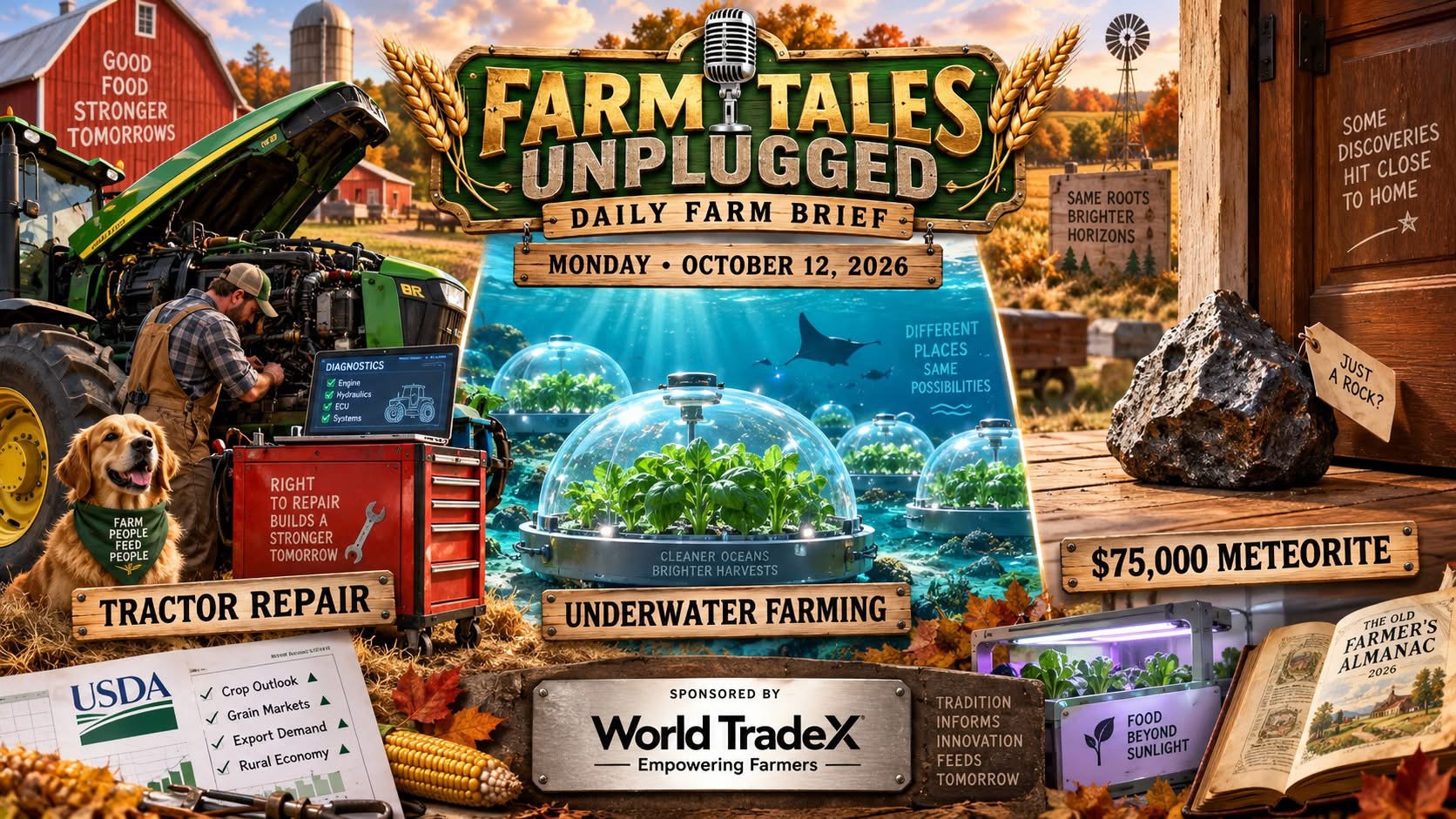
When your tractor breaks down during peak harvest, waiting days for a proprietary service technician costs more than just repair fees. This deep dive examines the ongoing right-to-repair debate between farmers and equipment manufacturers, focusing on software locks, diagnostic tools, and the financial impact of restricted machinery access.
Key Takeaways
- Federal regulators including the FTC and USDA are actively examining farm equipment repair barriers.
- Proprietary software and specialized digital tools often prevent independent mechanics and farmers from fixing machinery.
- Crop harvest windows are unforgiving, turning mechanical delays into massive financial losses.
- Ownership rights should extend beyond making monthly finance payments to full operational autonomy.
- Independent repair networks could provide vital competition and faster turnaround times for rural communities.
The Evolution of Modern Tractor Lockout
For generations, farming was largely a mechanical enterprise. If a gasket blew, a belt snapped, or an alternator failed, a handy farmer with a wrench set, a workshop manual, and some mechanical intuition could usually get things running again before the morning dew burned off. Today's agricultural machinery, however, resembles rolling supercomputers far more than traditional internal combustion engines.
Modern tractors rely heavily on electronic control units (ECUs), complex digital sensors, and proprietary operating software. While these technological leaps have vastly improved fuel efficiency, precision planting, and yield mapping, they have also fundamentally altered the relationship between the buyer and the machine. When a warning light flashes on the dash of a modern combine, it often requires a proprietary digital key or specialized software handshake to diagnose—tools that manufacturers frequently withhold from the end-user.
FTC and USDA Scrutiny on Repair Barriers
The frustration surrounding equipment maintenance has finally caught the attention of federal regulators. Both the Federal Trade Commission (FTC) and the United States Department of Agriculture (USDA) have launched inquiries into agricultural equipment manufacturers and authorized dealerships. These agencies are examining business practices that potentially limit a farmer's right to choose how and where their equipment gets fixed.
At the heart of the investigation are complaints regarding exorbitant diagnostic fees, restricted parts availability, and software locks that make DIY fixes or independent shop repairs nearly impossible. While these regulatory efforts represent an inquiry rather than a finalized ruling, they highlight a growing national consensus that current aftermarket restrictions may tilt the playing field unfairly against agricultural producers who have already invested hundreds of thousands of dollars into their machinery.
The Real Cost of Waiting for Service
To truly understand the stakes of the right-to-repair movement, one must look beyond the line-item cost of an authorized service call. The most devastating expense of a machinery breakdown is not the labor rate charged by the dealership technician; it is the opportunity cost of the crop sitting idle in the field.
Agriculture operates on strict biological and meteorological timetables. If a combine harvester breaks down on a Tuesday afternoon and rain is forecasted for Thursday, every hour spent waiting for an authorized service truck to arrive translates directly to lost revenue and compromised crop quality. You can reschedule a standard equipment maintenance appointment, but you cannot negotiate with a storm front. When manufacturers control the diagnostic software, they effectively control the timeline of the harvest, placing immense pressure on farm operations that are already navigating tight profit margins, high input costs, and volatile commodity markets.
Conclusion
Purchasing a high-end agricultural machine should grant true operational ownership, not just a perpetual subscription to authorized service networks. As federal agencies continue to investigate equipment repair barriers, the push for legislative and industry-wide reform remains critical for the financial health of modern farming operations. To explore this topic further alongside other agricultural news, market trends, and unexpected discoveries like underwater farming and hidden meteorites, Listen to the full episode today.
Frequently Asked Questions
Why can't farmers fix their own modern tractors?
While mechanical components can still be serviced locally, modern tractors rely heavily on proprietary software and electronic control units. Manufacturers often restrict access to the digital diagnostic tools, software updates, and specialized codes required to clear error codes and recalibrate machinery.
What federal agencies are investigating tractor repair barriers?
The Federal Trade Commission (FTC) and the United States Department of Agriculture (USDA) are actively examining complaints regarding restrictive repair practices, expensive parts, and limited independent service options in the agricultural sector.
How do equipment repair delays impact farm profitability?
Waiting for specialized service technicians during critical operational windows like planting or harvest can cause severe delays. Since crops cannot wait for favorable weather to pause, downtime often leads directly to reduced yields, spoiled produce, and substantial financial losses.
Are independent repair shops affected by software locks?
Yes. Independent mechanics face many of the same barriers as farmers. Without official diagnostic software and authorized parts channels, independent shops struggle to compete with manufacturer-owned dealerships, reducing local repair choices for agricultural producers.
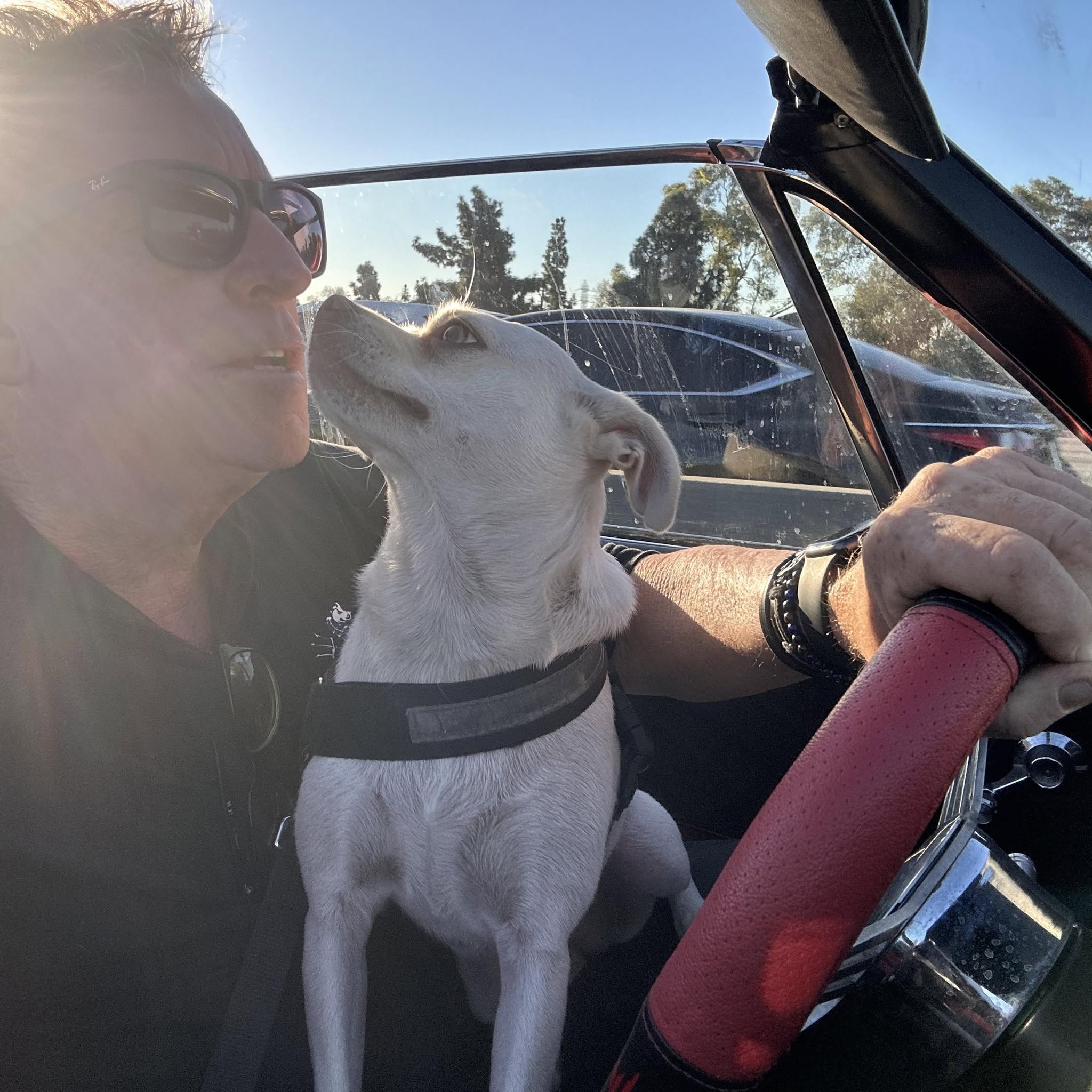
Rick is a broadcaster at heart, having built an internet radio network back in 1993. Back then they were called archived shows (mp3), the term podcast didn't exist but some people were already podcasting and he was one of them. Internet radio fizzled out fast when the Sirius satellites were launched and all the big networks inhaled all the programming. Here we are 30 years later. My how things have changed. Independent media put regular people on the same playing field and news and entertainment changed forever. His passion is being a boat captain and spending every minute with his little girl dog Mandy by his side.
His news delivery style is described as "Hit the fact, explain why anyone would care, make a joke and move on". He tears though things he believes will be worth a listener knowing and hoping he can get them to smile or chuckle. Much of the news is not "Happy news" and he realizes how hard things are for farmers and truckers, so he tries to keep it light and comical because no matter how bad things get we always need to find a way to laugh about it or we'd all go crazy.
If you want a passionate ally to dole out the news while mixing it up with funny short stories and odd side news, you will find his favorite program "Daily Farm Brief" a worthy 10 minutes of you weekday.
Dual-Use Farming: How Solar Panels Over Idle Cranberry Bogs Restore Profitability