Solving the Rural Large Animal Vet Shortage: Retention Strategies and Loan Forgiveness Programs

Rural communities face a critical shortage of large animal veterinarians, with hundreds of U.S. counties lacking adequate coverage for livestock. This shortage places immense pressure on remaining rural practitioners who cover massive territories, often handling thousands of cattle per vet. State loan repayment initiatives and practice management support provide essential solutions to attract and retain veterinary professionals in agricultural regions.
Key Takeaways
- Over 500 U.S. counties suffered from severe shortages of large animal and food-animal veterinarians last year.
- Rural vets often cover vast territories, sometimes managing over 28,000 cattle per practitioner across thousands of square miles.
- State-sponsored loan forgiveness programs have proven highly successful, with retention rates reaching up to 86% in qualifying counties.
- Sustainable veterinary practices require better business planning to help practitioners secure manageable work-life balance and occasional days off.
- Addressing the shortage is vital for maintaining animal welfare, food safety, and the economic viability of rural livestock operations.
The Staggering Math of Rural Veterinary Coverages
Ask any rancher what happens when a heifer struggles to deliver a calf at two in the morning, and you will hear a story about reliance on a single, overworked local practitioner. The geographic reality of modern agriculture means that food-animal veterinarians are spread thinner than ever before. In regions like the five-county area around Larned, Kansas, state data counts just 14 livestock-serving vets covering nearly 3,800 square miles. That translates to an overwhelming ratio of roughly 28,000 head of cattle per individual veterinarian.
When a practitioner is caught on a farm call two counties over, response times stretch out, raising the stakes for both the animal and the producer. This continuous demand creates an unsustainable lifestyle. Many large animal veterinarians carry the phone numbers of half the county in their pockets, effectively erasing the concept of a standard weekend or a peaceful Sunday off. Without strategic intervention, this burnout threatens the foundational healthcare infrastructure that American livestock producers rely on daily.
Financial Burdens and Veterinary School Debt
The path to becoming a licensed doctor of veterinary medicine comes with a heavy financial toll. Graduating vet students frequently leave school carrying six-figure debt loads that rival or exceed those of human medical doctors. However, large animal veterinary practices traditionally generate lower profit margins than small animal companion practices found in affluent suburban areas. Consequently, new graduates face a difficult economic choice: practice in urban settings where debt repayment is feasible, or follow a passion for agriculture while struggling to stay financially solvent.
Dr. Todd Gunderson at Kansas State University highlights that young practitioners need targeted guidance not only in medical skills but also in basic business operations. Learning how to structure a clinic for profitability while ensuring staff can take time off is paramount. Without mentorship and viable economic models, rural clinics struggle to recruit fresh talent, accelerating the decline of available care in America's heartland.
State Incentives and Retention Successes
Fortunately, forward-thinking agricultural states are implementing proactive solutions to bridge the gap. Programs that assist veterinary students with educational expenses in exchange for mandatory service in designated rural communities have changed the recruitment landscape. These initiatives provide a win-win scenario: students receive much-needed debt relief, and rural counties gain desperately needed medical professionals.
The data supporting these initiatives is remarkably encouraging. According to Kansas State University tracking, when veterinary graduates fulfill their required service time through rural placement programs, an impressive 86% choose to stay and practice in their qualifying county long-term. Programs like these prove that financial incentives combined with community integration can permanently reverse regional veterinary shortages, ensuring that livestock producers have reliable access to emergency and routine care.
Conclusion and Next Steps
The health of America's livestock industry is inextricably linked to the availability of dedicated large animal veterinarians. While the challenges of vast territories, grueling schedules, and heavy student debt remain formidable, targeted state programs and modernized practice management offer a clear path forward. To learn more about this issue and discover additional agriculture news, Listen to the full episode of Farm Tales Unplugged for a deep dive into rural challenges and agricultural trends.
Frequently Asked Questions
Why are there so few large animal veterinarians in rural areas?
Rural areas often feature vast geographic territories with lower population densities, meaning vets must travel long distances between calls. Combined with high veterinary school debt and lower profit margins compared to companion animal practices, fewer graduates choose rural livestock medicine.
How do state loan repayment programs help rural vets?
These programs provide financial assistance or debt forgiveness for veterinary students who commit to practicing for a specified number of years in designated underserved rural communities.
What is the retention rate for vets in rural placement programs?
Data from institutions like Kansas State University shows that up to 86% of participating veterinarians choose to remain and continue practicing in their designated rural counties even after their required service time concludes.
How many cattle does a typical rural vet manage in underserved areas?
In heavily strained agricultural regions, ratios can reach approximately 28,000 head of cattle per individual livestock veterinarian across thousands of square miles.
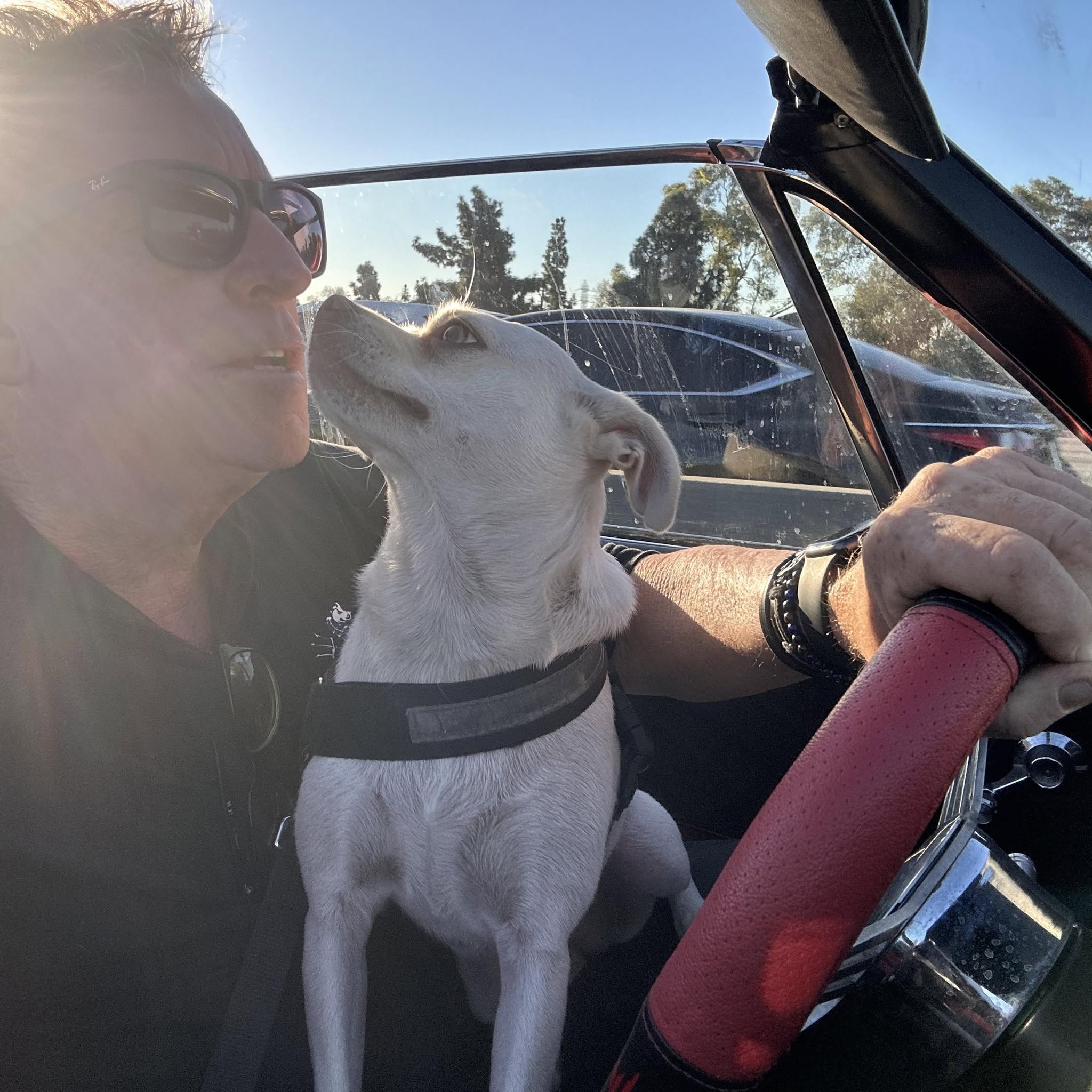
Rick is a broadcaster at heart, having built an internet radio network back in 1993. Back then they were called archived shows (mp3), the term podcast didn't exist but some people were already podcasting and he was one of them. Internet radio fizzled out fast when the Sirius satellites were launched and all the big networks inhaled all the programming. Here we are 30 years later. My how things have changed. Independent media put regular people on the same playing field and news and entertainment changed forever. His passion is being a boat captain and spending every minute with his little girl dog Mandy by his side.
His news delivery style is described as "Hit the fact, explain why anyone would care, make a joke and move on". He tears though things he believes will be worth a listener knowing and hoping he can get them to smile or chuckle. Much of the news is not "Happy news" and he realizes how hard things are for farmers and truckers, so he tries to keep it light and comical because no matter how bad things get we always need to find a way to laugh about it or we'd all go crazy.
If you want a passionate ally to dole out the news while mixing it up with funny short stories and odd side news, you will find his favorite program "Daily Farm Brief" a worthy 10 minutes of you weekday.

From Laser Scarecrows to Hidden Gold: This Week's Quirky and Critical Ag Roundup