How Cornell's Mycelium-Controlled Robots Are Shaping the Future of Precision Agriculture
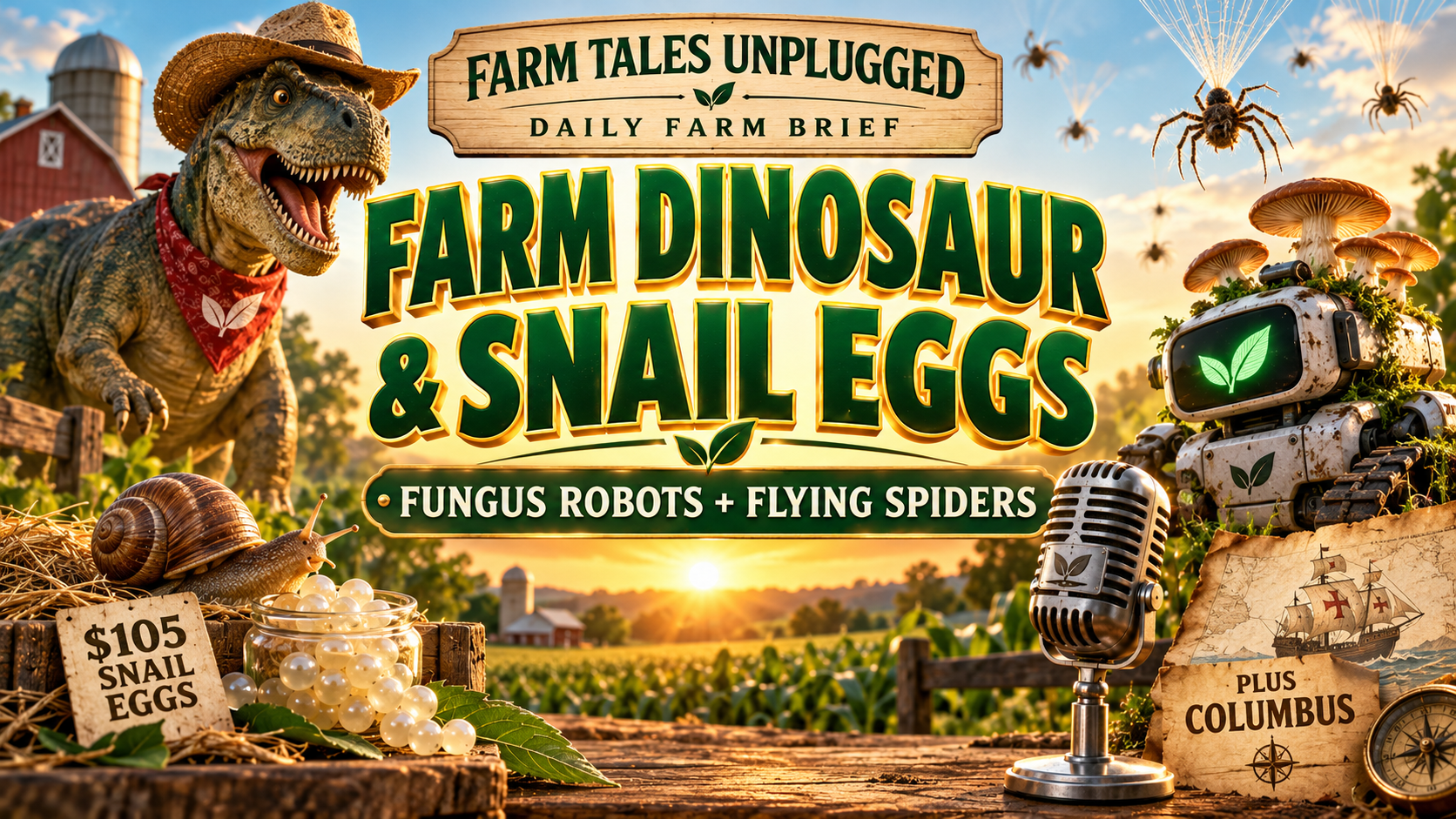
Living fungal mycelium is now being successfully integrated into machine electronics to control robotic movement, offering a glimpse into a future where biological computing drives precision agriculture equipment and subterranean soil diagnostics.
Key Takeaways
- Cornell researchers have successfully integrated living fungal mycelium into robot hardware to control movement.
- Mycelium threads generate tiny electrical signals that engineers translate into actionable robotic commands.
- Exposing the fungus to ultraviolet light changes its electrical output, altering how the connected robots walk or roll.
- Future applications of this technology aim to give autonomous farm equipment the ability to sense real-time soil chemistry and nutrient needs.
The Intersection of Biology and Robotics
For decades, agricultural technology has relied on silicon chips, binary code, and traditional digital sensors to automate farm tasks. However, recent breakthroughs are blurring the line between machine engineering and organic biology. At Cornell University, researchers have pioneered a groundbreaking approach to hardware control: growing living fungus directly into the electronic framework of a robot.
This is not merely using biomimicry to design a machine that looks like a plant or insect. This is about utilizing living tissue as a core component of the processing unit. By cultivating mycelium—the underground, web-like network of fungal threads—into custom machinery, scientists have created a hybrid system where biological impulses dictate mechanical action.
When most people think of farm technology, tractors, drones, and yield monitors come to mind. Yet, the introduction of biological computing elements could fundamentally change how our tools interact with the natural environment. Instead of artificial sensors trying to interpret soil chemistry from afar, future agricultural machines might literally share a sensory language with the earth beneath them.
How Fungal Electrical Signals Steer Machines
Understanding how a fungus can drive a machine requires looking closely at the inherent properties of mycelium. Fungal networks are naturally communicative. They transfer nutrients, share chemical warnings, and react to their surroundings using subtle electrical impulses running through their microscopic threads.
Translating Bio-Electricity Into Digital Commands
In the Cornell research, scientists developed specialized equipment designed to monitor the continuous electrical activity produced by growing mycelium. As the fungus reacts to its environment, it generates rhythmic electrical spikes and shifts in potential. Electrodes capture these biological signals and route them through an interface board.
Once the system receives the raw electrical data, algorithms translate those biological impulses into digital commands. These commands are then fed directly into the motor controllers of a robot. In testing phases, researchers deployed two distinct machine configurations: a multi-legged walking robot and a wheeled rover. The movement of both machines was directly dictated by the internal state and electrical fluctuations of the living fungus.
The Role of Environmental Stimuli
A static biological sensor would have limited use in the field. However, the fungal control systems demonstrated dynamic adaptability when exposed to external triggers. When researchers shone ultraviolet light onto the mycelium, the organism reacted defensively or metabolically, altering its electrical output.
The connected machinery instantly registered this shift in biological signaling and modified its locomotion accordingly. By altering the lighting, researchers could effectively steer or alter the gait of the walking robot and change the speed of the rolling unit. This proves that biological tissue can act as both a sensor and a central processing node in real time.
Implications for Future Precision Agriculture
While walking robots controlled by mushrooms might sound like science fiction, the agricultural applications being developed are intensely practical. Modern farming relies heavily on variable-rate fertilizer application, soil moisture mapping, and chemical management. However, traditional electronic sensors can be fragile, expensive, and limited by their rigid programming.
Fungal-based control systems open up entirely new avenues for soil-interface technology. Consider the potential of an autonomous field scout equipped with a mycelium-based processor. Fungi are naturally attuned to soil microbiology, moisture gradients, and nutrient availability. A machine embedded with living fungal tissue could theoretically 'sense' chemical deficiencies or pathogen presence in the soil through direct biological resonance.
Furthermore, living biological components have self-healing properties that silicon chips lack. While a cracked microchip requires total replacement, biological networks can grow, repair, and adapt to micro-damages over time. As ag-tech researchers look for ways to make farm equipment more resilient, energy-efficient, and ecologically sensitive, biological integration may very well become the next frontier.
Conclusion and Further Listening
The convergence of mycology and robotics demonstrates that the most innovative tools of tomorrow may be grown rather than manufactured. As researchers continue to refine how living organisms interface with digital mechanics, the horizon of smart farming expands beyond traditional boundaries, merging the biological world with the mechanical one.
For more fascinating stories spanning agriculture, weird science, and rural history, make sure to Listen to the full episode. Tune in to catch daily updates, market insights, and deep dives into the unpredictable intersection of nature and agriculture.
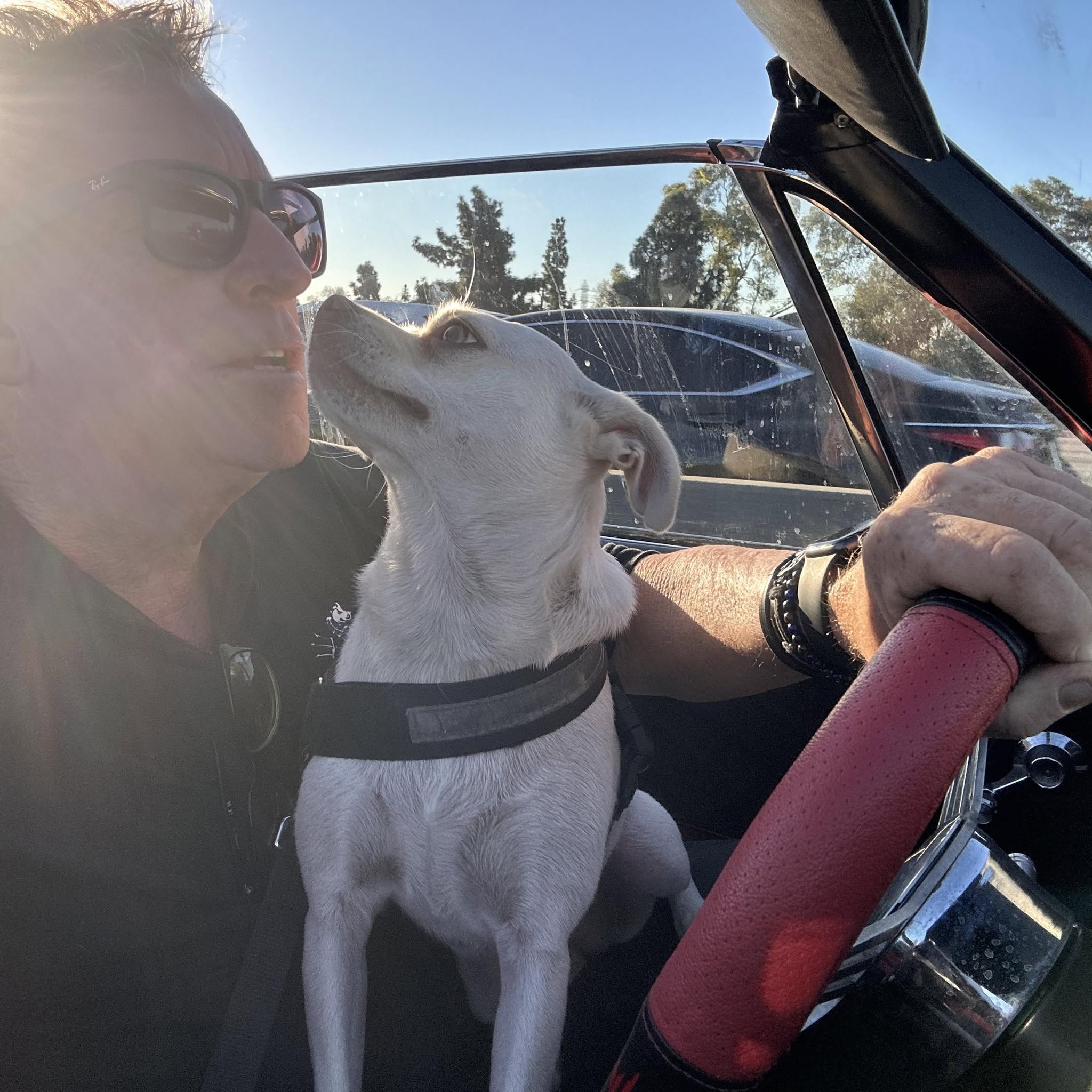
Rick is a broadcaster at heart, having built an internet radio network back in 1993. Back then they were called archived shows (mp3), the term podcast didn't exist but some people were already podcasting and he was one of them. Internet radio fizzled out fast when the Sirius satellites were launched and all the big networks inhaled all the programming. Here we are 30 years later. My how things have changed. Independent media put regular people on the same playing field and news and entertainment changed forever. His passion is being a boat captain and spending every minute with his little girl dog Mandy by his side.
His news delivery style is described as "Hit the fact, explain why anyone would care, make a joke and move on". He tears though things he believes will be worth a listener knowing and hoping he can get them to smile or chuckle. Much of the news is not "Happy news" and he realizes how hard things are for farmers and truckers, so he tries to keep it light and comical because no matter how bad things get we always need to find a way to laugh about it or we'd all go crazy.
If you want a passionate ally to dole out the news while mixing it up with funny short stories and odd side news, you will find his favorite program "Daily Farm Brief" a worthy 10 minutes of you weekday.
Dual-Use Farming: How Solar Panels Over Idle Cranberry Bogs Restore Profitability