USDA ARC and PLC Payments 2025: How $13.8B in Safety-Net Funds Affects Your Farm Budget

USDA's historic announcement of nearly $13.8 billion in gross ARC and PLC payments for the 2025 crop year provides essential financial relief for eligible growers facing low crop prices and shifting market revenues. This detailed breakdown explores how these record safety-net distributions impact cash flow, farm budgeting, and operational planning for the upcoming harvest season.
Key Takeaways
- USDA announced approximately $13.8 billion in gross ARC and PLC payments for the 2025 crop year.
- This represents a record total for these two primary farm safety-net programs designed to protect growers against revenue and price drops.
- Eligible producers will receive the higher payment rate between ARC and PLC, regardless of their initial program election.
- Payments are calculated before standard limits and a mandatory 5.7% federal budget reduction.
- Local Farm Service Agency (FSA) offices are handling specific calculations and disbursement schedules for local operations.
Understanding the 2025 ARC and PLC Payment Structure
The Agriculture Risk Coverage (ARC) and Price Loss Coverage (PLC) programs serve as the bedrock of federal support for American crop producers. When market prices plummet or regional crop revenues fall beneath pre-set benchmark levels, these safety-net programs kick in to bridge the gap. The recent announcement by the USDA setting gross payments at $13.8 billion for the 2025 crop year highlights significant downward pressure on commodity markets over the cycle.
For farmers managing tight margins, high input costs, and carryover debt from previous seasons, this injection of capital is more than just a statistic—it is a critical liquidity event. However, navigating the rules and disbursement timelines requires a clear understanding of how these safety-net mechanisms operate in practice, especially when combined with federal budget constraints.
The Higher Payment Rate Provision
A notable aspect of the current administrative guidelines for these payouts is the provision allowing eligible producers to receive the higher payment rate between the ARC and PLC options, regardless of which program they initially selected for their baseline acres. This flexibility ensures that farmers are not penalized by early program election choices made under different market projections. For operations managing diverse acreage across multiple counties, this nuance can substantially alter the final net deposit hitting their operating accounts.
Navigating Payment Limits and Budget Cuts
While the headline figure of $13.8 billion captures national attention, individual farm operators must account for regulatory reductions before projecting cash flow. The gross total is subject to statutory payment limitations per entity. Furthermore, a mandated 5.7% federal budget reduction applies across the board, trimming the final checks distributed through local offices.
Managing Cash Flow and Outstanding Debt
Carrying last season's input bills while simultaneously financing a new harvest creates a severe cash flow crunch for modern agricultural operations. Fertilizer, seed, diesel, and equipment maintenance costs remain stubbornly high, meaning that operational capital is constantly stretched. When market prices for corn, soybeans, and wheat experience unexpected volatility, relying solely on cash sales from the bin can jeopardize upcoming planting seasons.
The arrival of ARC and PLC distributions offers a strategic window for producers to restructure short-term operational loans, pay down supplier accounts, and secure necessary lines of credit for the next production cycle. Consulting directly with local Farm Service Agency representatives allows operators to get accurate, farm-specific estimates rather than relying on generalized regional averages.
Planning Your Next Financial Moves
Navigating federal safety nets requires staying informed and proactive. By understanding how USDA program distributions interact with your operation's overall financial health, you can better position your farm for long-term resilience against volatile commodity markets. To hear more about these agricultural finance updates, along with unique farm stories and market insights, listen to the full episode. Listen to the full episode and catch up on everything happening across Farm Nation.
Frequently Asked Questions
What are USDA ARC and PLC programs?
ARC (Agriculture Risk Coverage) and PLC (Price Loss Coverage) are federal safety-net programs designed to provide financial assistance to eligible crop producers when market prices or overall crop revenues fall below established benchmark levels.
How much are the total gross payments for the 2025 crop year?
The USDA announced approximately $13.8 billion in gross payments for the 2025 crop year, marking a record total for these two specific safety-net programs.
Are the 2025 payments subject to any reductions?
Yes. The headline figure is a gross total that must account for standard individual payment limits as well as a required 5.7% federal budget reduction before final checks are issued to producers.
How can I find out the exact payment amount for my specific farm?
Producers should contact their local USDA Farm Service Agency (FSA) office. FSA representatives can provide precise calculations and answer specific questions regarding your baseline acres and farm records.
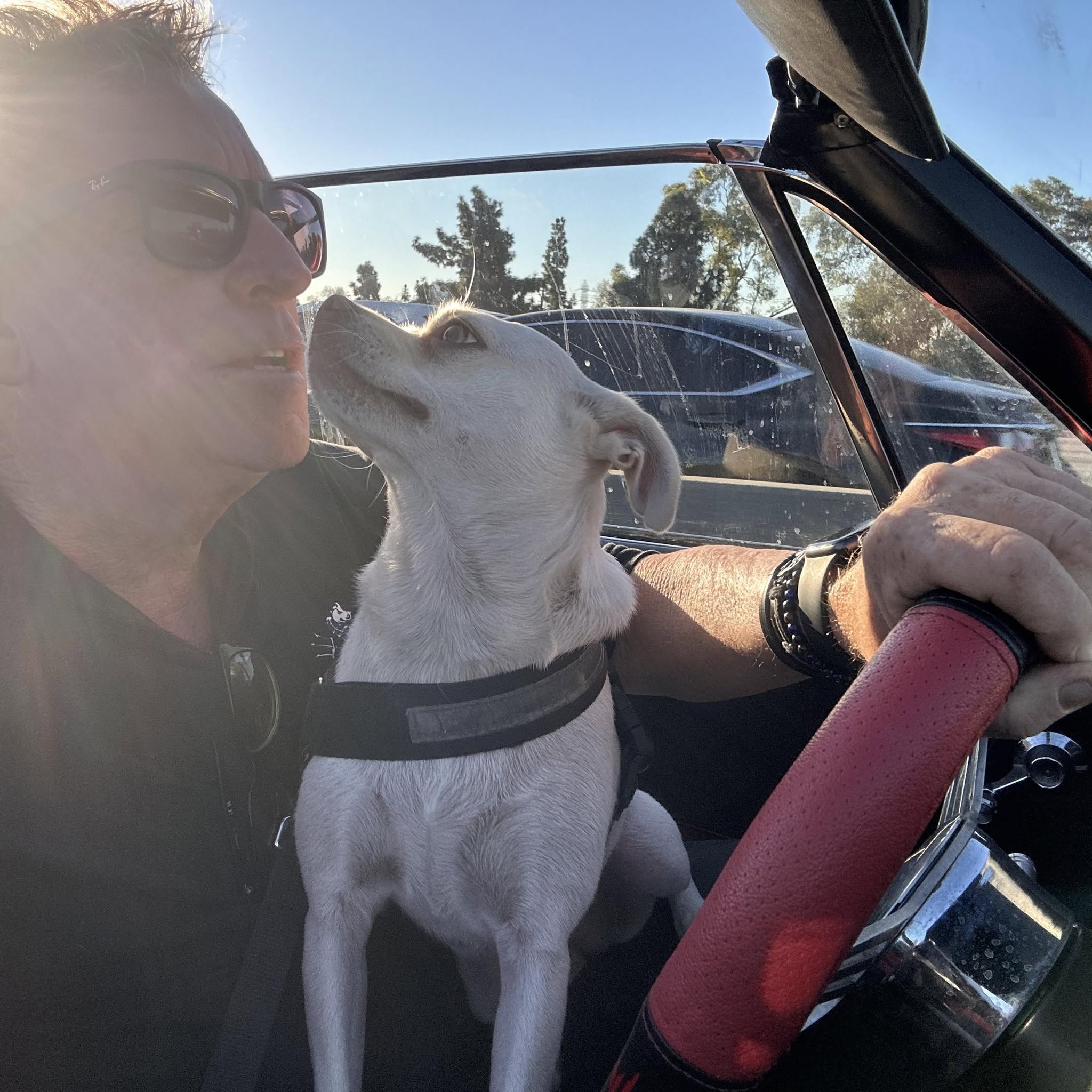
Rick is a broadcaster at heart, having built an internet radio network back in 1993. Back then they were called archived shows (mp3), the term podcast didn't exist but some people were already podcasting and he was one of them. Internet radio fizzled out fast when the Sirius satellites were launched and all the big networks inhaled all the programming. Here we are 30 years later. My how things have changed. Independent media put regular people on the same playing field and news and entertainment changed forever. His passion is being a boat captain and spending every minute with his little girl dog Mandy by his side.
His news delivery style is described as "Hit the fact, explain why anyone would care, make a joke and move on". He tears though things he believes will be worth a listener knowing and hoping he can get them to smile or chuckle. Much of the news is not "Happy news" and he realizes how hard things are for farmers and truckers, so he tries to keep it light and comical because no matter how bad things get we always need to find a way to laugh about it or we'd all go crazy.
If you want a passionate ally to dole out the news while mixing it up with funny short stories and odd side news, you will find his favorite program "Daily Farm Brief" a worthy 10 minutes of you weekday.
Dual-Use Farming: How Solar Panels Over Idle Cranberry Bogs Restore Profitability