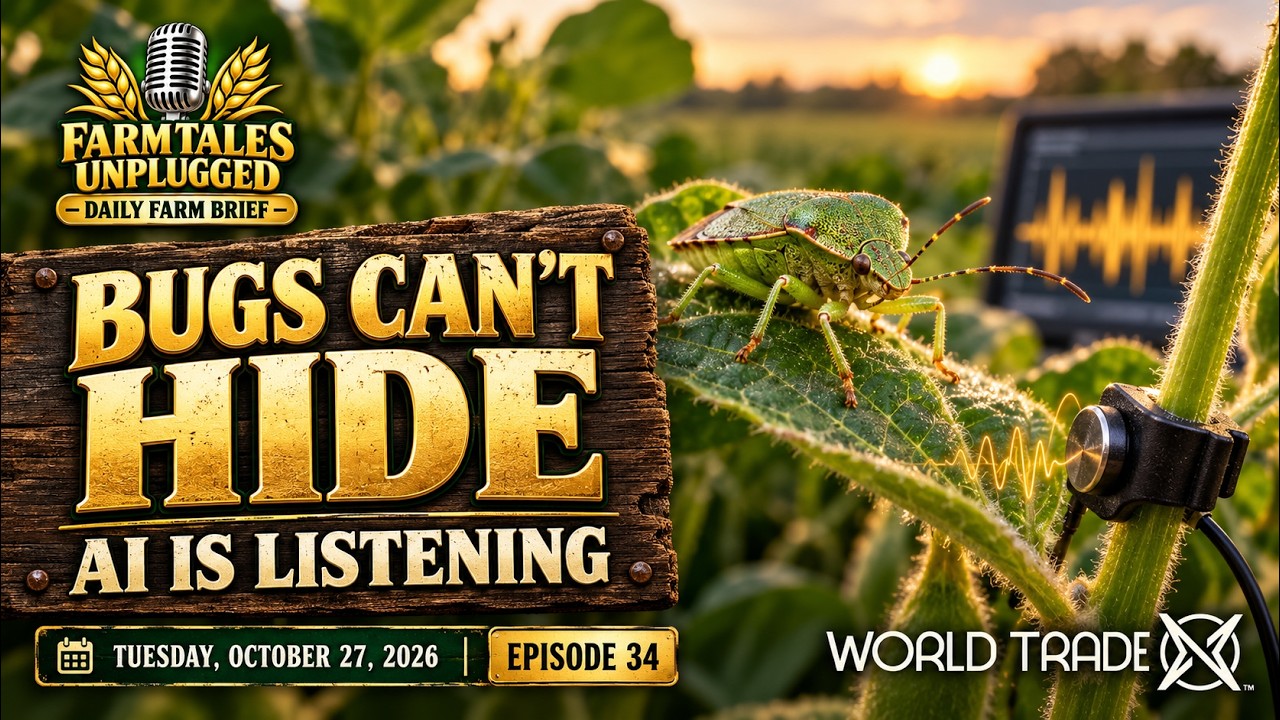
How NASA ECOSTRESS Spots Crop Water Stress Before Visible Damage Occurs

Discover how NASA's ECOSTRESS instrument detects plant water stress from space before visible crop damage happens. By measuring thermal infrared data from orbit, this advanced technology identifies hidden drought conditions, helping farmers optimize irrigation schedules, conserve water resources, and protect ultimate yield potential.
Key Takeaways
- ECOSTRESS measures thermal infrared radiation to track the temperature of Earth's surface and agricultural fields from space.
- Plants naturally cool themselves by releasing water through leaf stomata; when water is scarce, these openings close, causing canopy temperatures to rise.
- Thermal remote sensing detects this heat signature spike before leaves curl, yellow, or show obvious signs of drought distress.
- A broader NASA-USDA agreement aims to further improve agricultural monitoring, drought assessments, and national yield predictions.
- Early detection allows modern producers to target irrigation precisely where moisture is lacking, preserving critical water assets during dry spells.
Understanding Plant Thermoregulation and Canopy Heat
Agriculture has always relied on visual cues to assess crop health. Farmers walk their fields, scan center pivots, and look for curling leaves, discoloration, or stunted growth. Unfortunately, by the time a crop shows visible signs of drought stress, irreversible yield loss may have already occurred. This delay in detection is one of the most persistent challenges in modern irrigation management. Fortunately, space-based technology is fundamentally changing how agriculturalists monitor moisture stress deep within the root zone.
Plants are essentially natural evaporative coolers. Through a process called transpiration, crops draw water up from the soil and release it through microscopic openings on their leaves known as stomata. As moisture evaporates from the leaf surface, it pulls heat away, keeping the plant cool relative to the surrounding bare soil and air. When soil moisture begins to deplete, however, survival instincts kick in. The plant reacts by closing its stomata to conserve remaining internal moisture. Once those vents shut, the evaporative cooling process grinds to a halt, and the leaf canopy's temperature rises rapidly.
How ECOSTRESS Operates from Orbit
The Ecosystem Spaceborne Thermal Radiometer Experiment on Space Station, better known as ECOSTRESS, was designed specifically to measure plant stress by capturing these subtle thermal shifts. Mounted on the International Space Station, ECOSTRESS measures thermal infrared energy emitted from the Earth's surface. Because it orbits at an inclination that allows it to view agricultural regions at varying times of day, it captures the diurnal cycle of plant water use.
By analyzing the precise heat signature coming off a specific corn or soybean field, the instrument calculates evapotranspiration rates. If a field is maintaining a cool temperature during the heat of the afternoon, the crops are actively transpiring and have adequate access to sub-surface moisture. If an adjacent field of the exact same hybrid is showing significantly higher temperatures under the same solar radiation load, it signals that the crops have closed their stomata due to water scarcity. This thermal anomaly pinpoints stressed vegetation days or even weeks before any human eye could spot the problem from the cab of a pickup truck.
The NASA-USDA Partnership and Future Yield Estimates
While ECOSTRESS has been actively providing vital thermal data from orbit, the broader agricultural utility of space-based earth observation is expanding rapidly. A significant recent agreement between NASA and the United States Department of Agriculture (USDA) formalizes a collaborative effort to integrate satellite telemetry more deeply into national crop reporting systems.
This partnership focuses on enhancing predictive capabilities for drought assessments, monitoring seasonal water consumption across major irrigation districts, and refining national crop acreage and yield estimates. While the advanced analytical tools and future enhancements outlined in the agreement will take time to fully roll out, the foundational capability of monitoring field-level thermal stress is fully operational today. For producers, agronomists, and agricultural economists, combining space-born thermal data with ground-truthed yield data provides an unprecedented lens into regional harvest outcomes before combines ever hit the field.
Practical Applications for Modern Irrigation Management
Integrating satellite-derived thermal data into everyday farm management represents a massive leap forward in precision agriculture. Water is an increasingly precious and regulated commodity across major farming regions, from the Ogallala Aquifer to the Central Valley of California. Pumping water unnecessarily costs money in fuel and electricity, while underwatering severely penalizes final bushel counts at the elevator.
By leveraging thermal imagery services, growers can transition from blanket, calendar-based irrigation schedules to truly demand-driven watering practices. If satellite data reveals that one specific corner of a pivot circle is experiencing elevated canopy temperatures while the rest of the field is adequately cooled, a producer can investigate soil compaction, nozzle failures, or localized soil variation immediately. This targeted intervention saves water, reduces operational input costs, and protects the bottom line during volatile market conditions.
Conclusion and Next Steps
Space technology might seem far removed from the dirt and diesel of daily farming operations, but tools like NASA's ECOSTRESS are proving indispensable for managing drought, conserving water, and safeguarding yields. As satellite analytics become more accessible, understanding thermal crop dynamics will only grow in importance for forward-thinking agriculturalists.
To dive deeper into current agricultural trends, market updates, and fascinating farm stories, Listen to the full episode of the daily brief for complete insights on harvest progress, cattle markets, and much more.
Frequently Asked Questions
What is ECOSTRESS and where is it mounted?
ECOSTRESS stands for the Ecosystem Spaceborne Thermal Radiometer Experiment on Space Station. As the name indicates, it is an instrument mounted on the International Space Station that measures thermal infrared energy to track plant water use.
How do plants indicate water stress thermally?
When plants run short on water, they close their microscopic leaf openings (stomata) to prevent moisture loss. This stops their natural evaporative cooling process, causing their leaf canopy temperature to rise detectably above well-watered crops.
Can ECOSTRESS spot drought before visible damage occurs?
Yes. Thermal imaging can detect canopy temperature changes and stomatal closure days or weeks before leaves turn yellow, curl, or display other visual symptoms of drought stress.
What is the purpose of the NASA-USDA agreement?
The agreement between NASA and the USDA is designed to improve national crop monitoring, enhance drought assessment tools, and provide more accurate, satellite-backed estimates of agricultural acreage and yields.
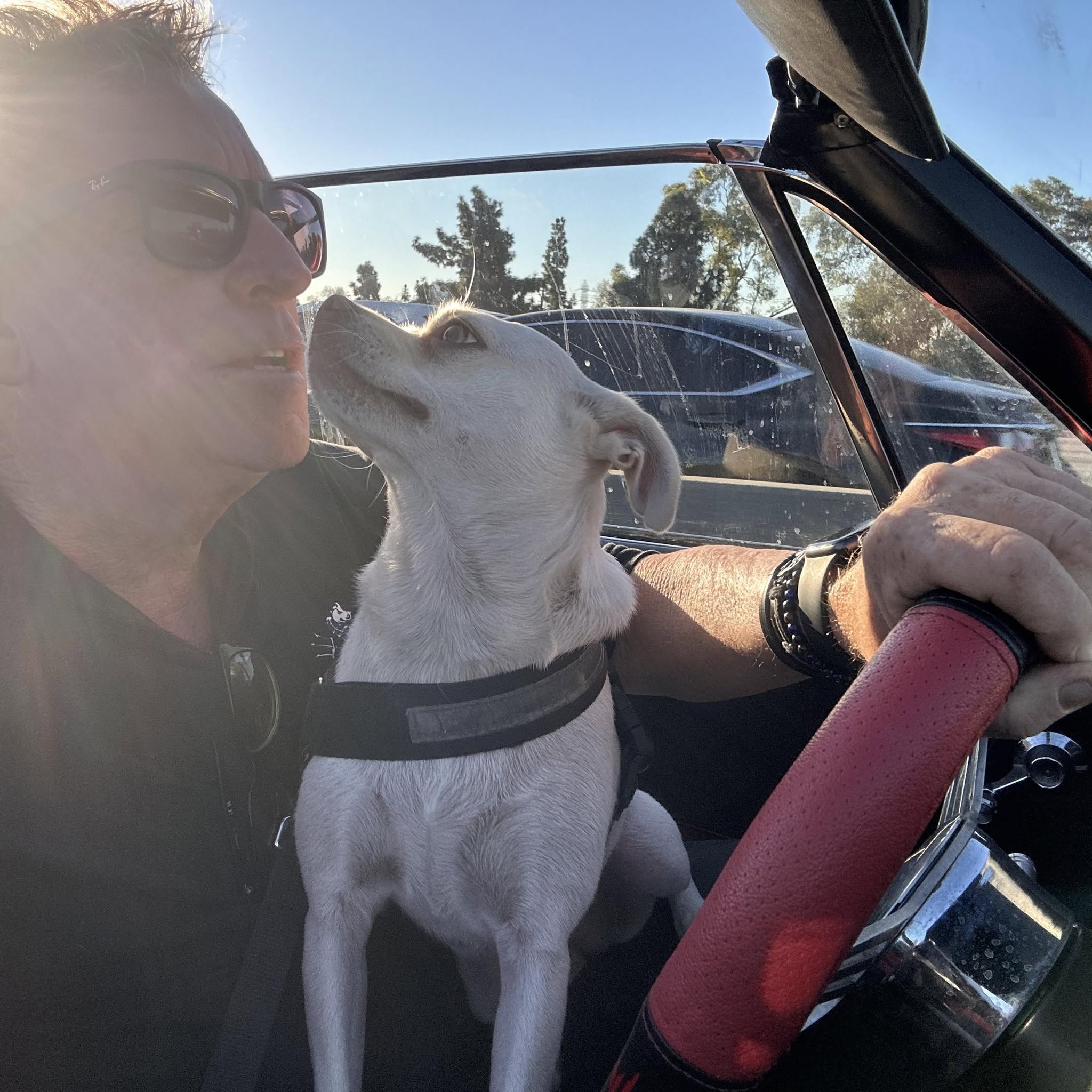
Rick is a broadcaster at heart, having built an internet radio network back in 1993. Back then they were called archived shows (mp3), the term podcast didn't exist but some people were already podcasting and he was one of them. Internet radio fizzled out fast when the Sirius satellites were launched and all the big networks inhaled all the programming. Here we are 30 years later. My how things have changed. Independent media put regular people on the same playing field and news and entertainment changed forever. His passion is being a boat captain and spending every minute with his little girl dog Mandy by his side.
His news delivery style is described as "Hit the fact, explain why anyone would care, make a joke and move on". He tears though things he believes will be worth a listener knowing and hoping he can get them to smile or chuckle. Much of the news is not "Happy news" and he realizes how hard things are for farmers and truckers, so he tries to keep it light and comical because no matter how bad things get we always need to find a way to laugh about it or we'd all go crazy.
If you want a passionate ally to dole out the news while mixing it up with funny short stories and odd side news, you will find his favorite program "Daily Farm Brief" a worthy 10 minutes of you weekday.
Dual-Use Farming: How Solar Panels Over Idle Cranberry Bogs Restore Profitability